H.R. 2189: Law-Enforcement Innovate to De-Escalate Act of 2025
This bill, known as the Law-Enforcement Innovate to De-Escalate Act of 2025, aims to modernize federal firearms laws by incorporating advancements in technology and addressing the use of less-than-lethal weapons. The key components of the bill are as follows:
Exemption for Less-Than-Lethal Projectiles
The bill proposes to amend existing laws to exempt certain less-than-lethal projectile devices from restrictions outlined in Title 18 of the United States Code. This means:
- Less-than-lethal projectile devices are identified and defined within the law. They are described as:
- Not designed to be easily converted to fire traditional ammunition used in common firearms (handguns, rifles, shotguns).
- Intended for use in a way that is unlikely to cause death or serious bodily injury.
- Not capable of using ammunition feeding devices commonly found in semiautomatic firearms.
- If there is uncertainty about whether a device qualifies as a less-than-lethal projectile device, the bill allows individuals to request a determination from the Attorney General, who must respond within 90 days.
Impact on Law Enforcement
The bill encourages law enforcement to adopt less-than-lethal technologies for de-escalation purposes, potentially reducing the reliance on firearms in confrontational situations. This is seen as a step toward modernizing police equipment and practices to improve public safety and reduce fatal encounters between law enforcement and civilians.
Legislative Process
The bill was introduced to the House of Representatives on March 18, 2025, and has been referred to the Committee on the Judiciary for further consideration.
Relevant Companies
- None found
This is an AI-generated summary of the bill text. There may be mistakes.
Sponsors
96 bill sponsors
-
TrackScott Fitzgerald
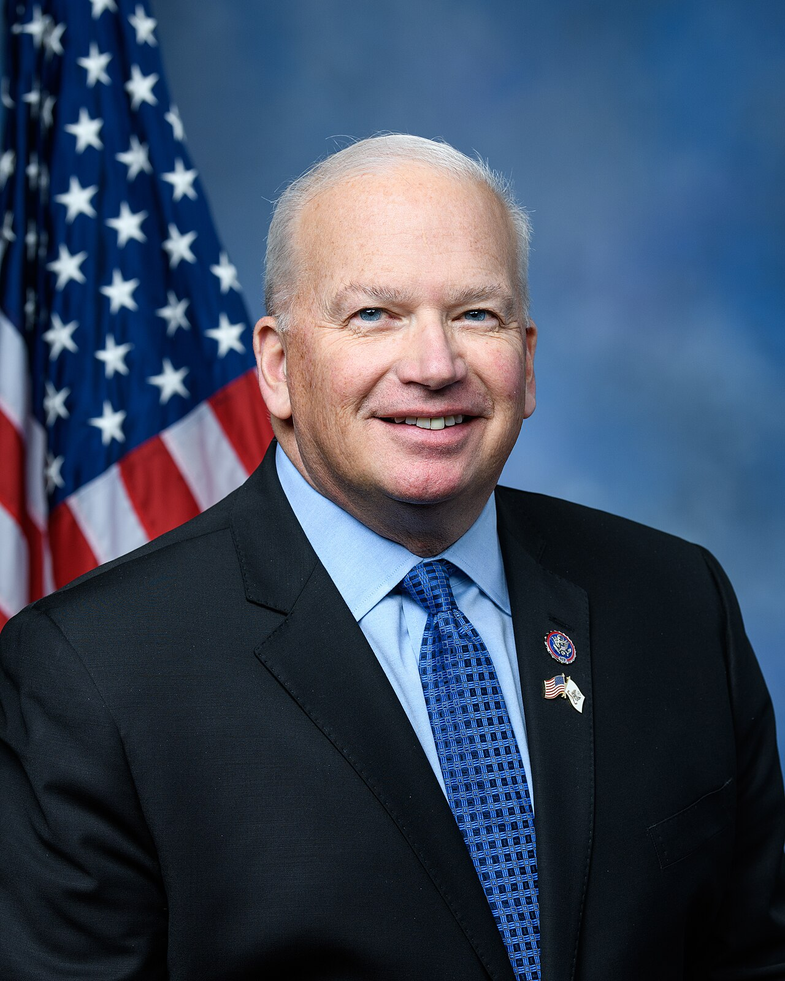
Sponsor
-
TrackMichael Baumgartner
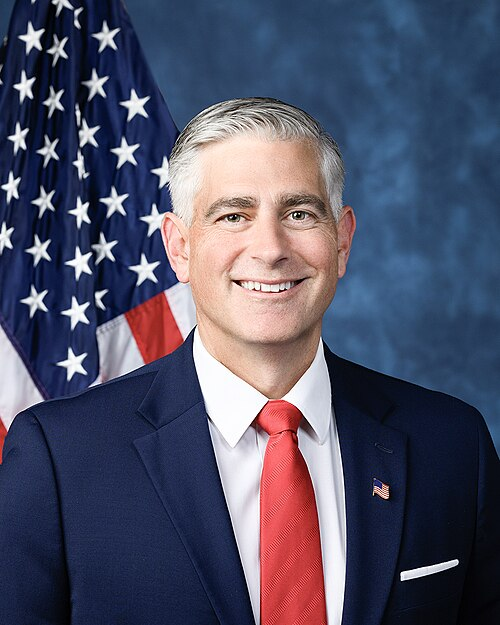
Co-Sponsor
-
TrackJoyce Beatty
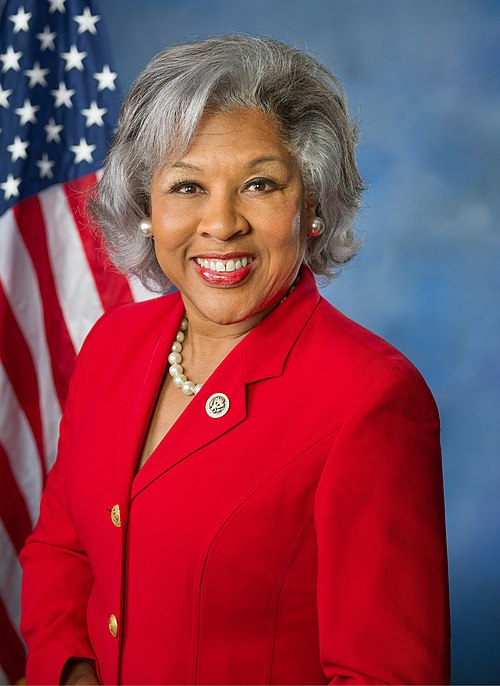
Co-Sponsor
-
TrackNicholas Begich

Co-Sponsor
-
TrackJack Bergman
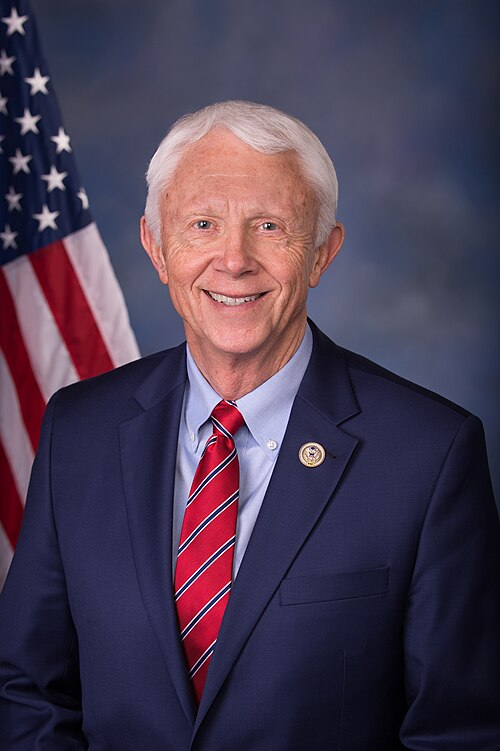
Co-Sponsor
-
TrackAndy Biggs
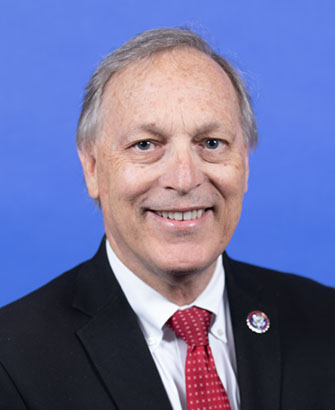
Co-Sponsor
-
TrackSanford D. Bishop, Jr.
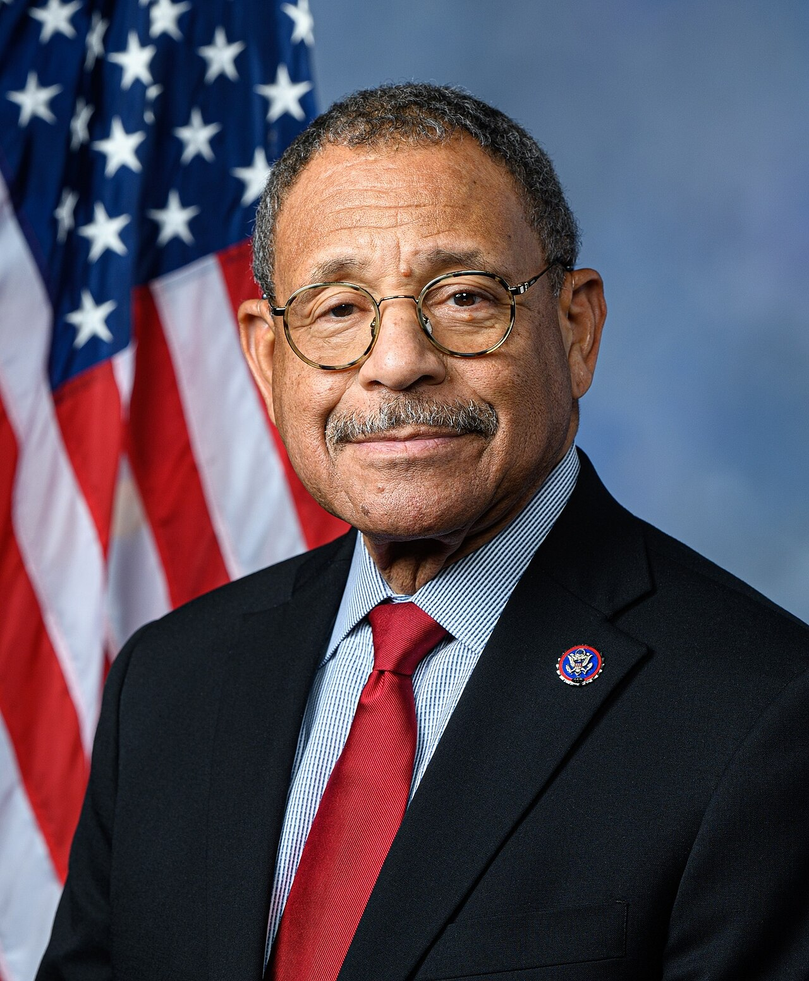
Co-Sponsor
-
TrackLauren Boebert
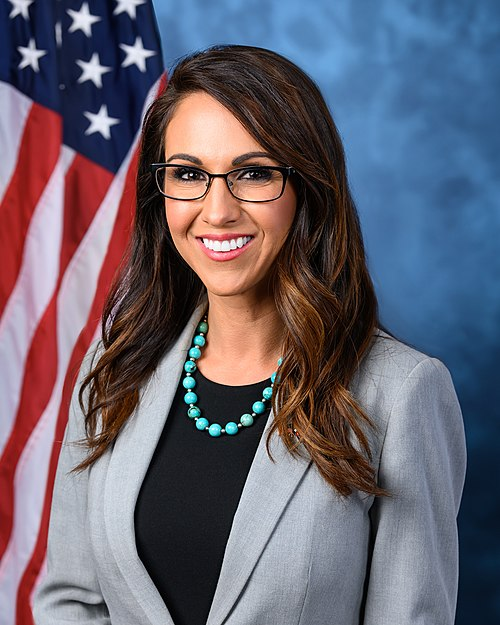
Co-Sponsor
-
TrackBrendan F. Boyle
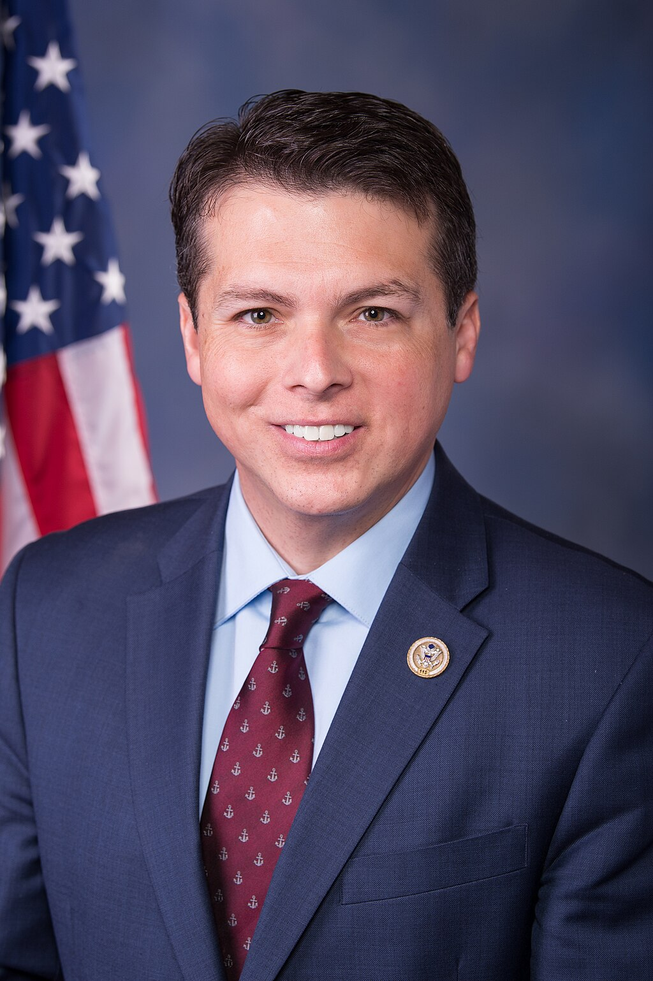
Co-Sponsor
-
TrackTim Burchett
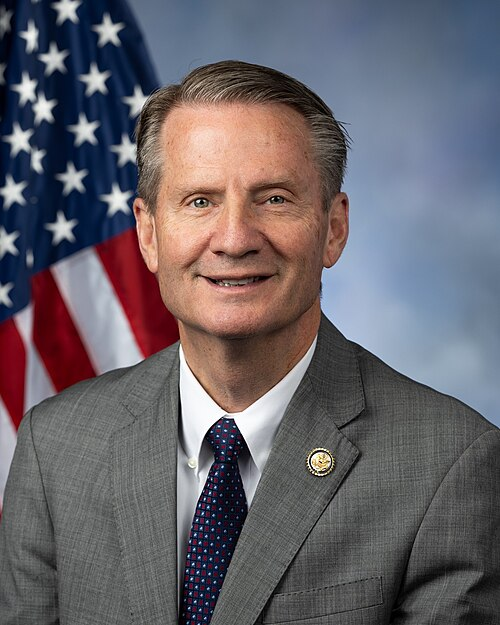
Co-Sponsor
-
TrackEric Burlison
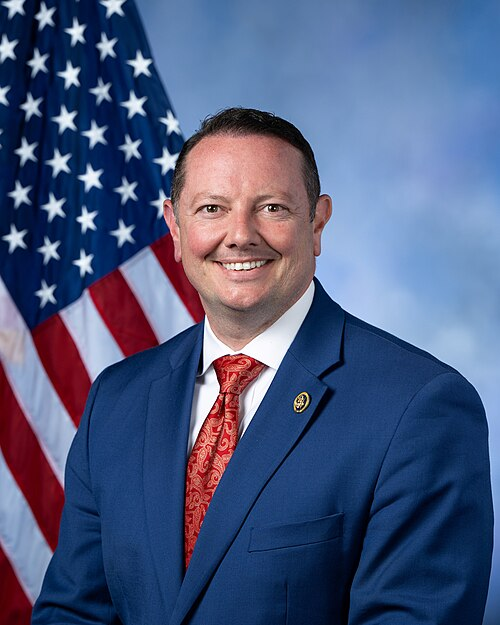
Co-Sponsor
-
TrackKen Calvert
Co-Sponsor
-
TrackMike Carey

Co-Sponsor
-
TrackTroy A. Carter
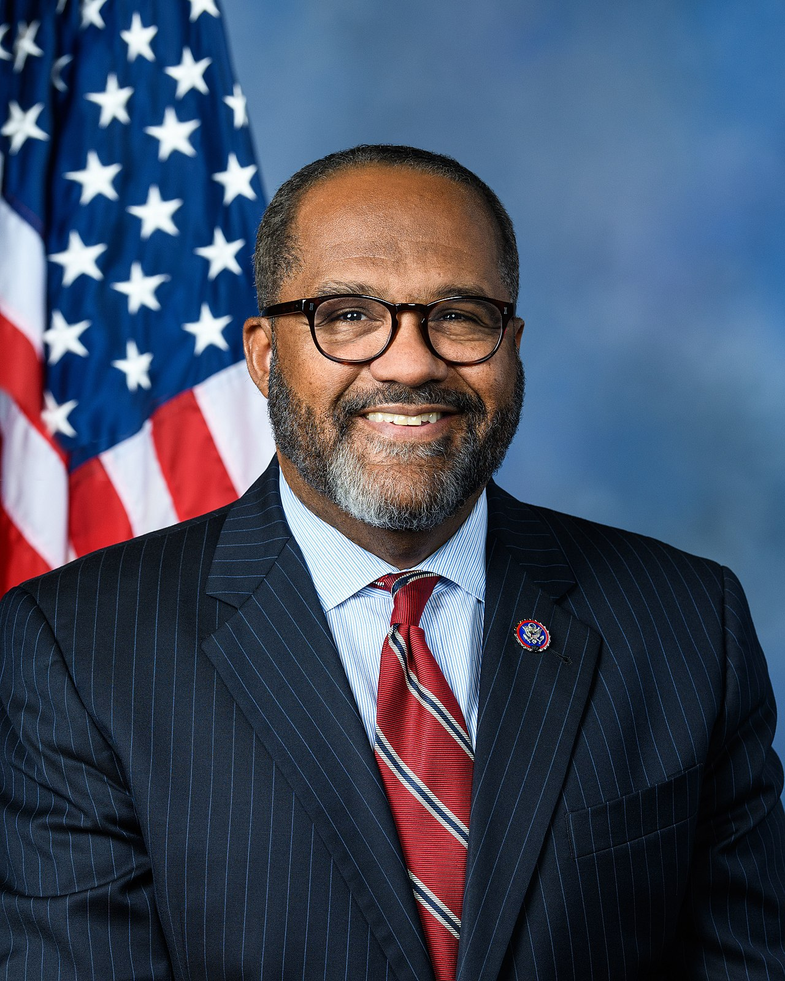
Co-Sponsor
-
TrackJuan Ciscomani
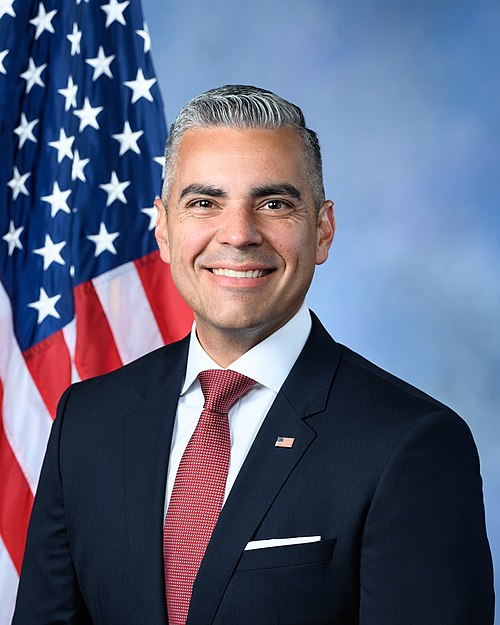
Co-Sponsor
-
TrackYvette D. Clarke
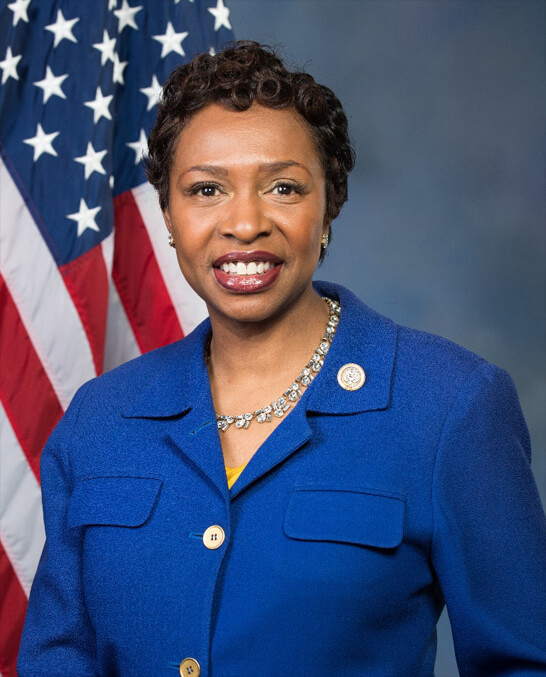
Co-Sponsor
-
TrackBen Cline
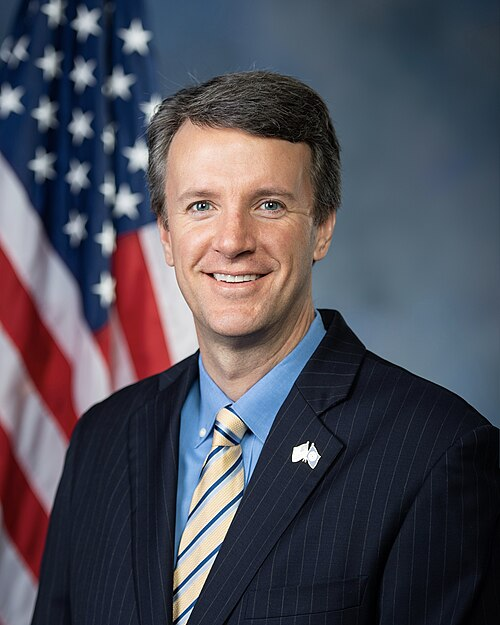
Co-Sponsor
-
TrackJ. Luis Correa
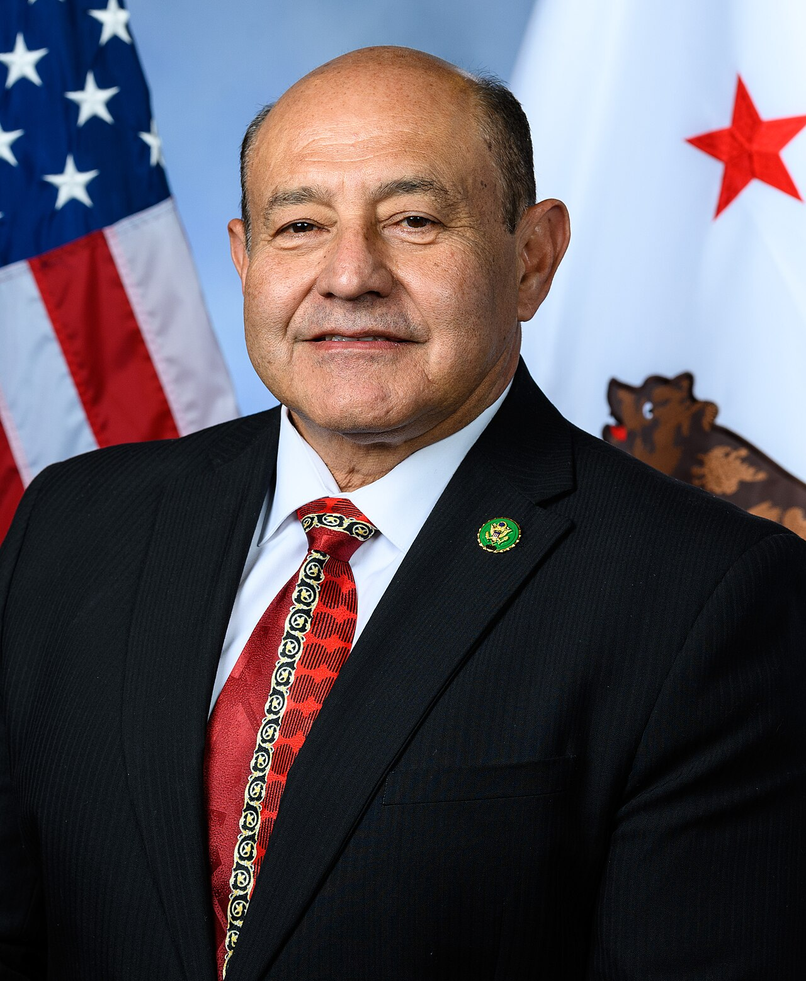
Co-Sponsor
-
TrackElijah Crane
Co-Sponsor
-
TrackJasmine Crockett
Co-Sponsor
-
TrackHenry Cuellar
Co-Sponsor
-
TrackDonald G. Davis
Co-Sponsor
-
TrackChuck Edwards
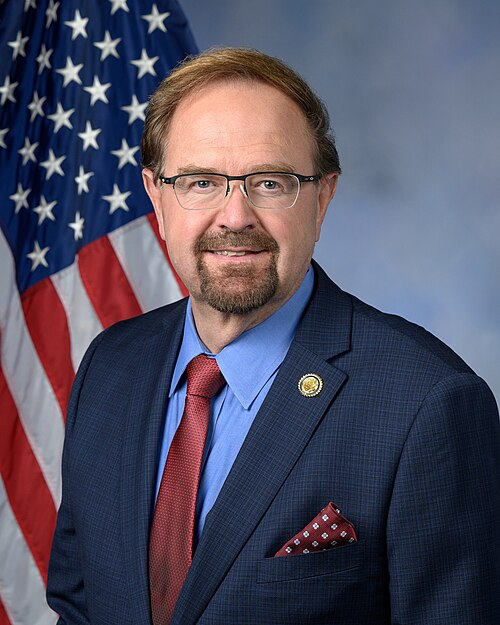
Co-Sponsor
-
TrackGabe Evans
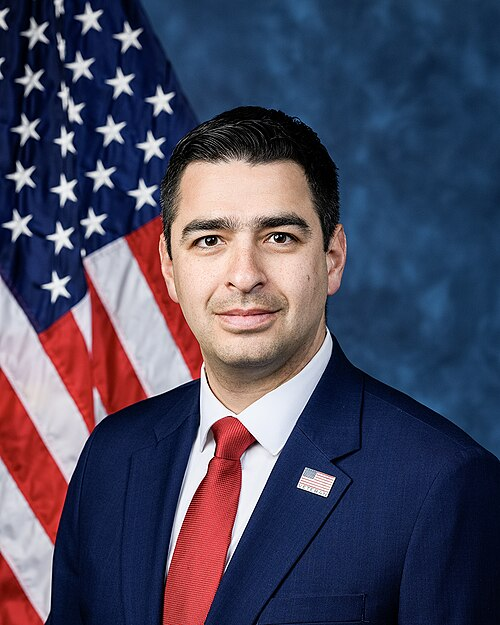
Co-Sponsor
-
TrackMike Ezell
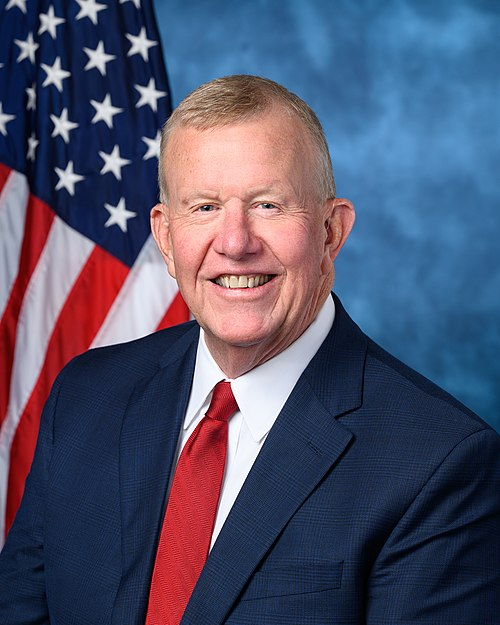
Co-Sponsor
-
TrackPat Fallon
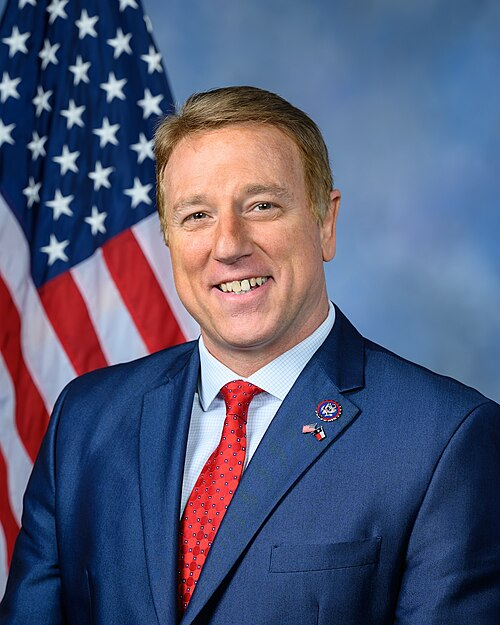
Co-Sponsor
-
TrackBrad Finstad
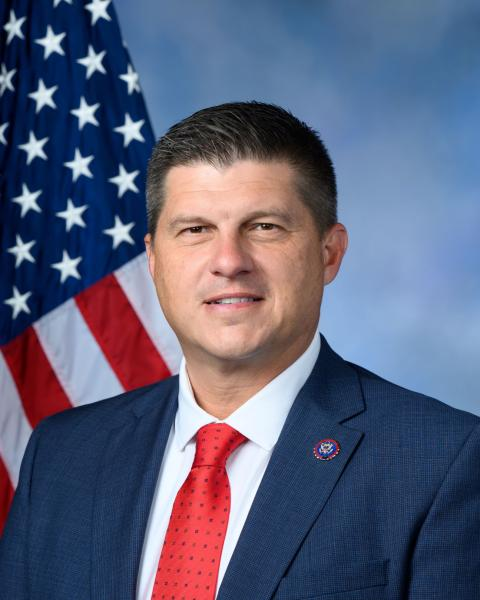
Co-Sponsor
-
TrackMichelle Fischbach
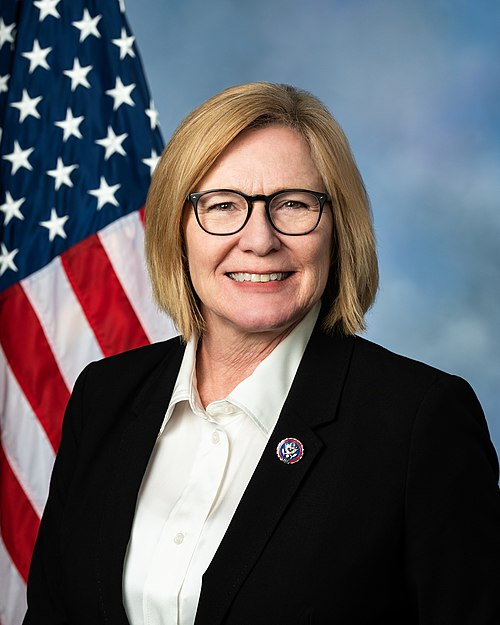
Co-Sponsor
-
TrackCharles J. "Chuck" Fleischmann
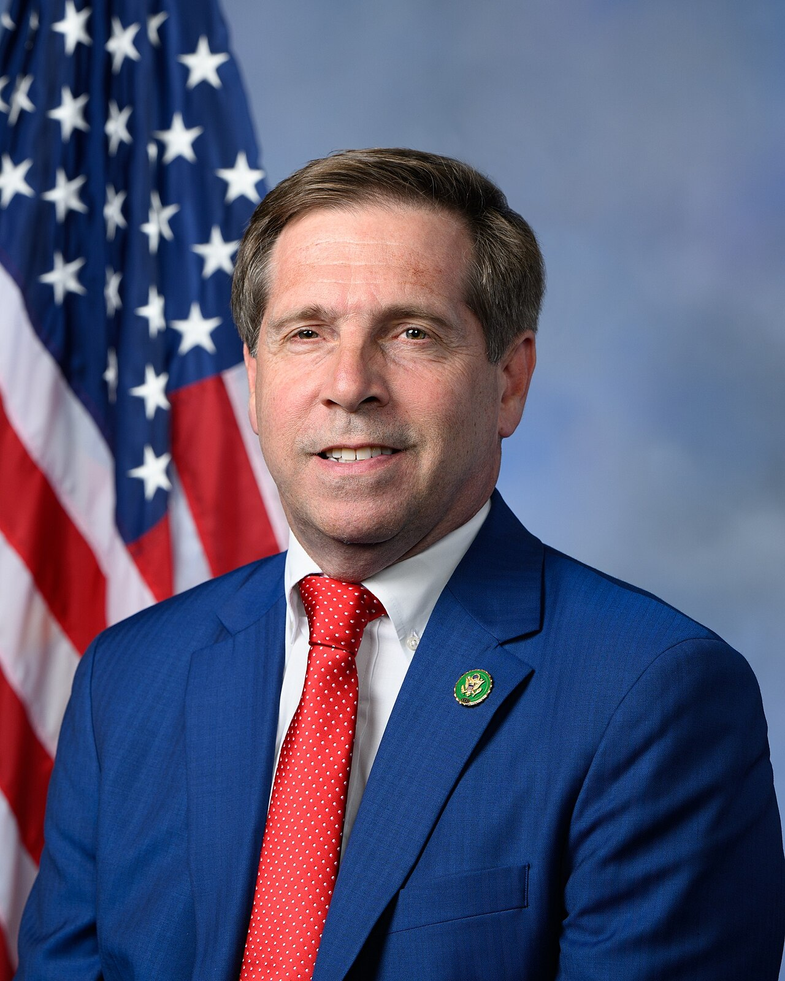
Co-Sponsor
-
TrackRussell Fry
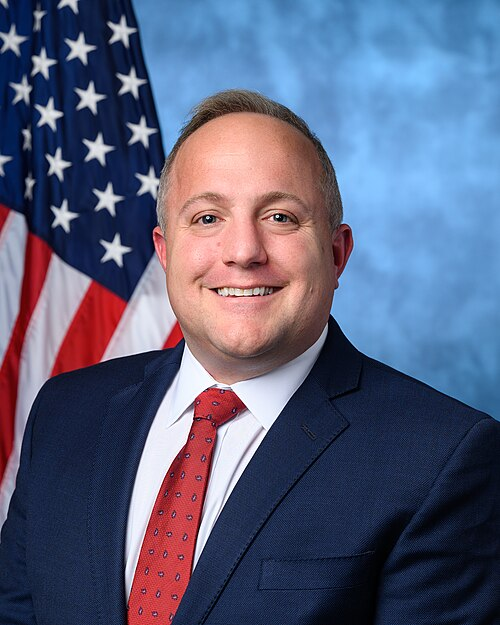
Co-Sponsor
-
TrackBrandon Gill
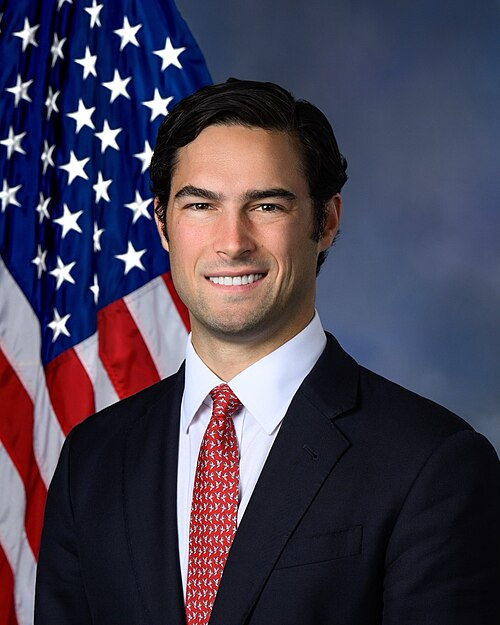
Co-Sponsor
-
TrackLaura Gillen
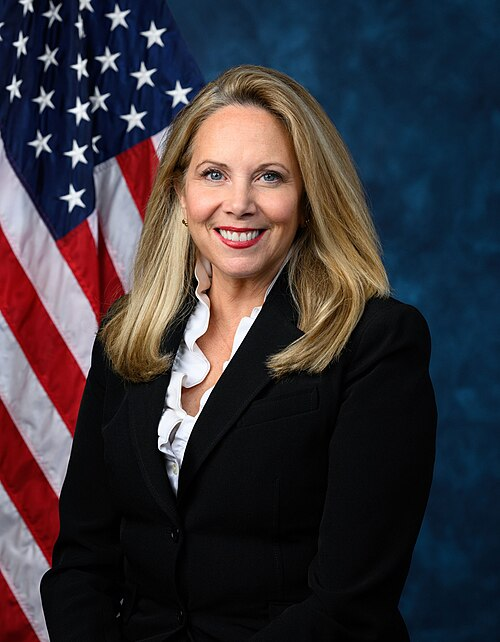
Co-Sponsor
-
TrackLance Gooden
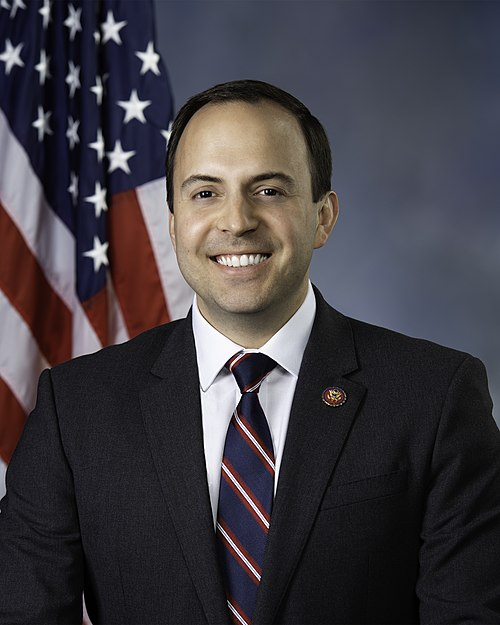
Co-Sponsor
-
TrackJosh Gottheimer
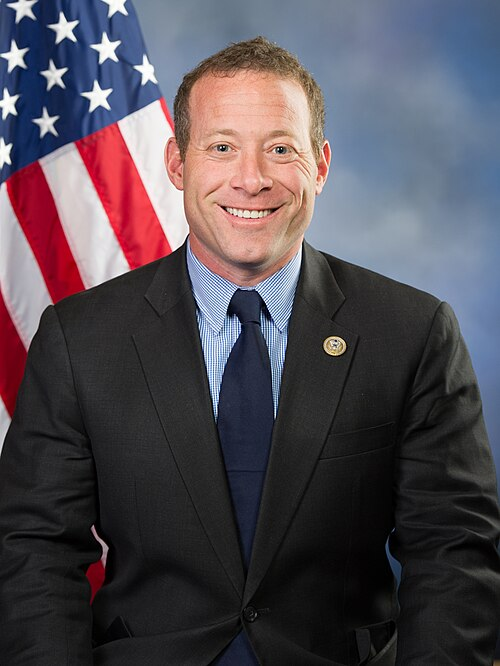
Co-Sponsor
-
TrackAdam Gray
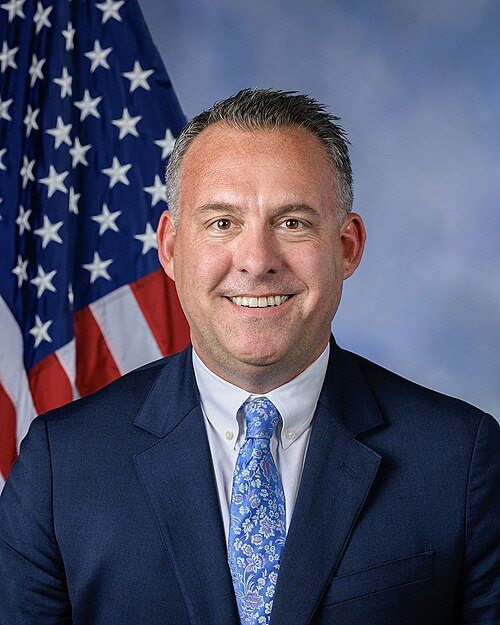
Co-Sponsor
-
TrackGlenn Grothman
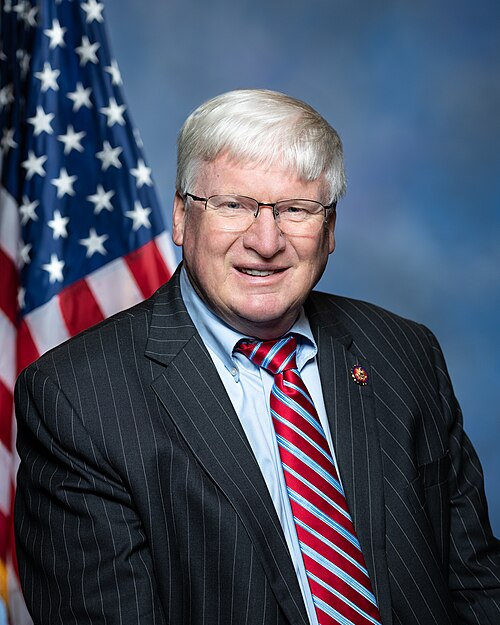
Co-Sponsor
-
TrackMichael Guest
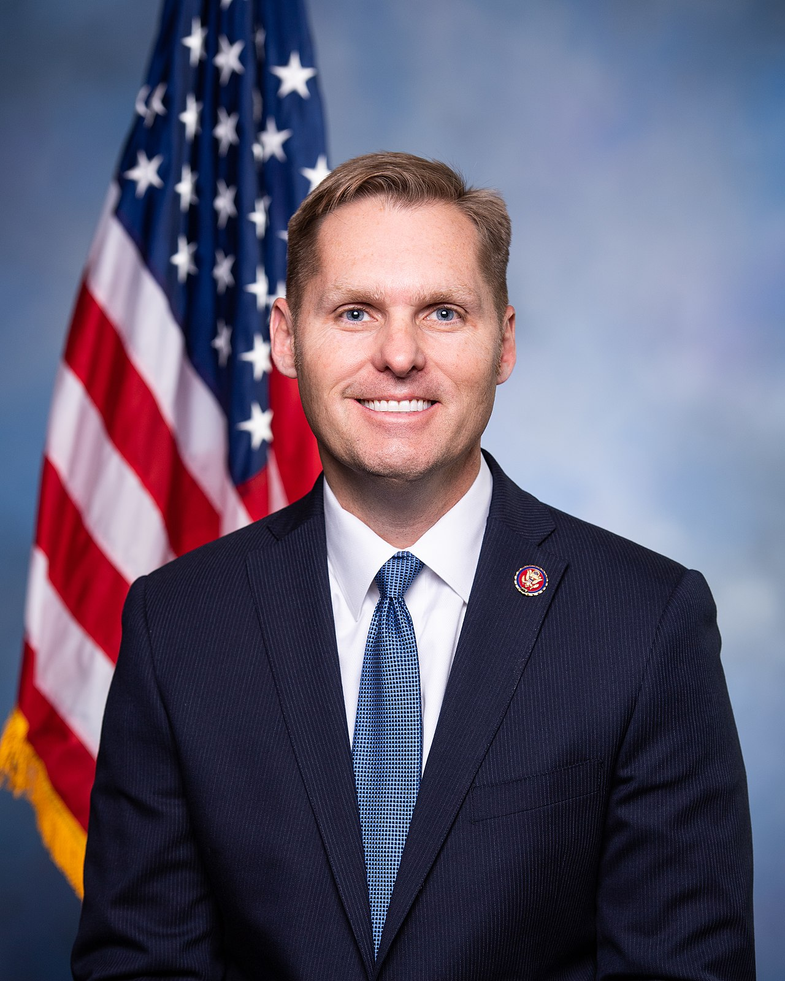
Co-Sponsor
-
TrackHarriet M. Hageman
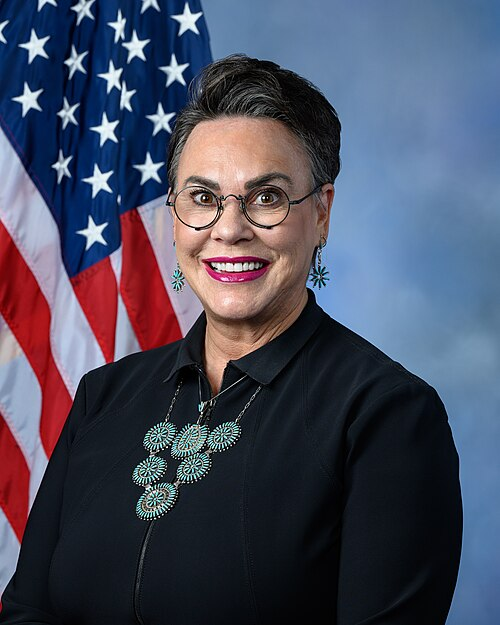
Co-Sponsor
-
TrackAbraham Hamadeh
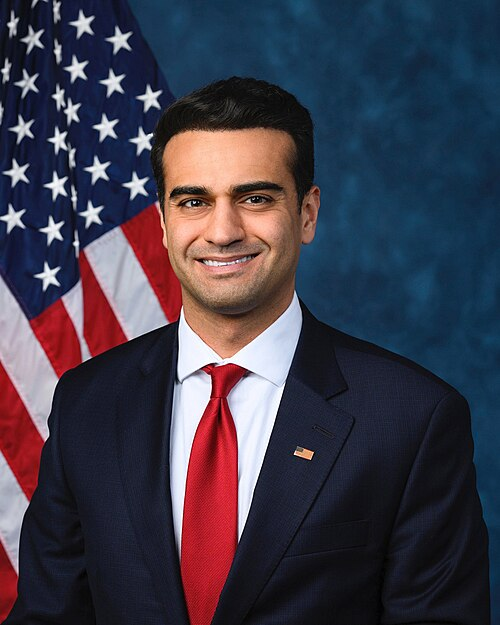
Co-Sponsor
-
TrackPat Harrigan
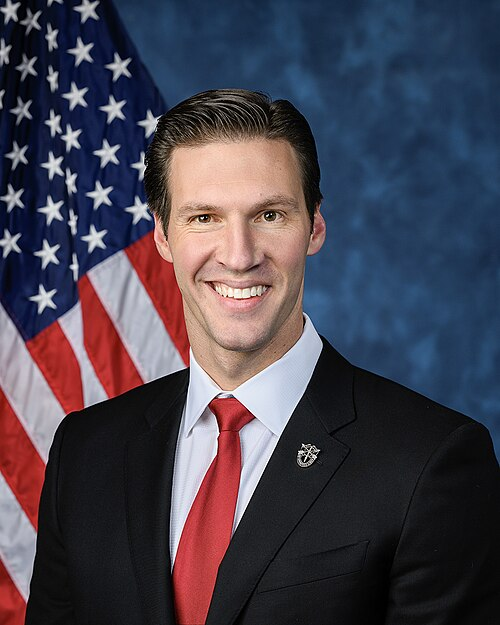
Co-Sponsor
-
TrackKevin Hern
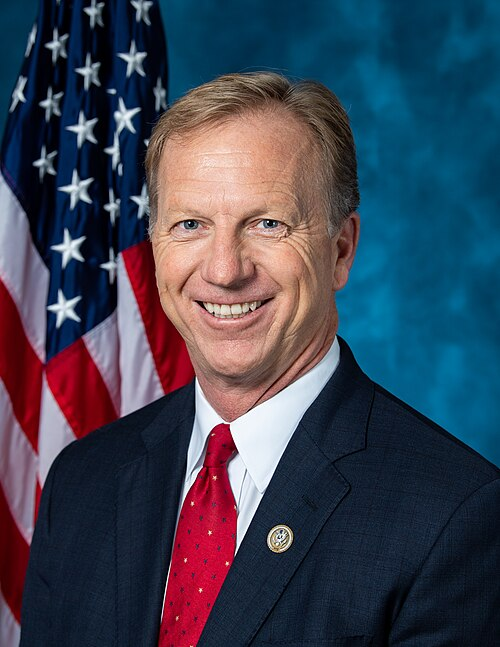
Co-Sponsor
-
TrackClay Higgins
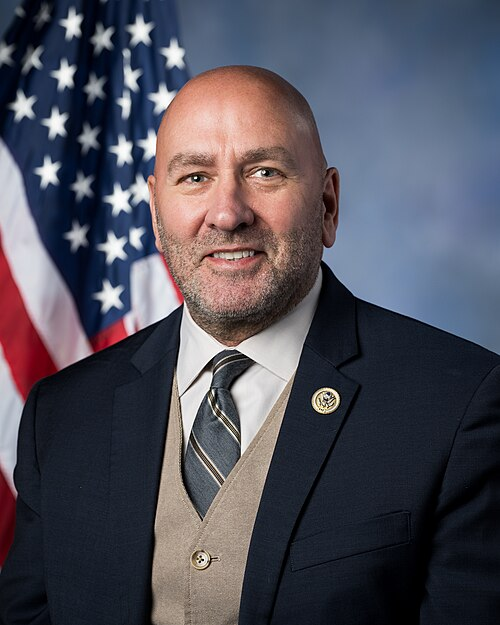
Co-Sponsor
-
TrackAshley Hinson
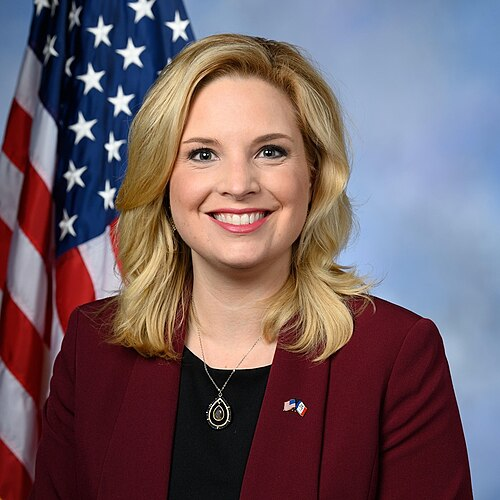
Co-Sponsor
-
TrackErin Houchin
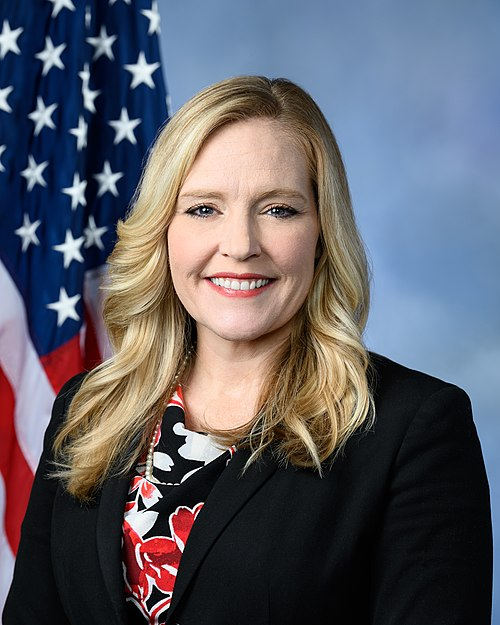
Co-Sponsor
-
TrackWesley Hunt
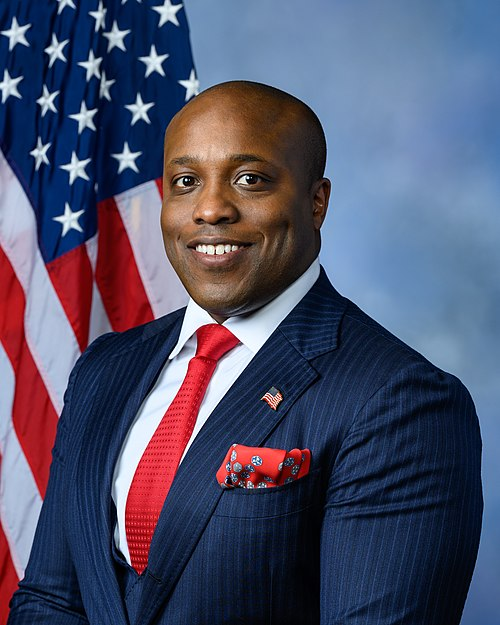
Co-Sponsor
-
TrackDarrell Issa
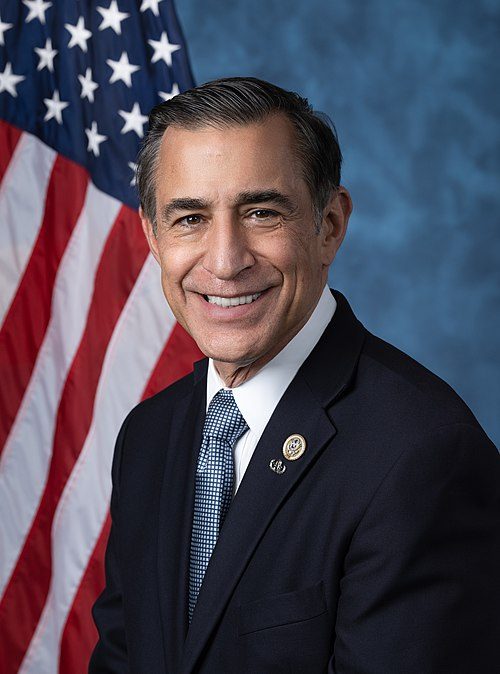
Co-Sponsor
-
TrackJonathan L. Jackson
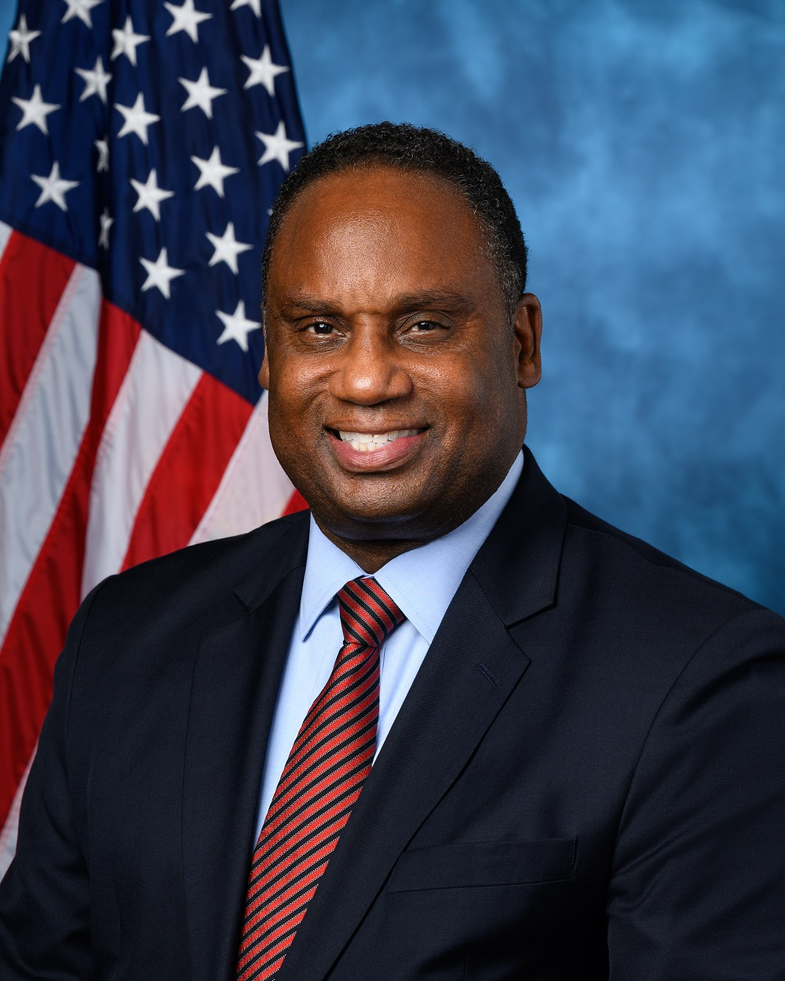
Co-Sponsor
-
TrackJulie Johnson
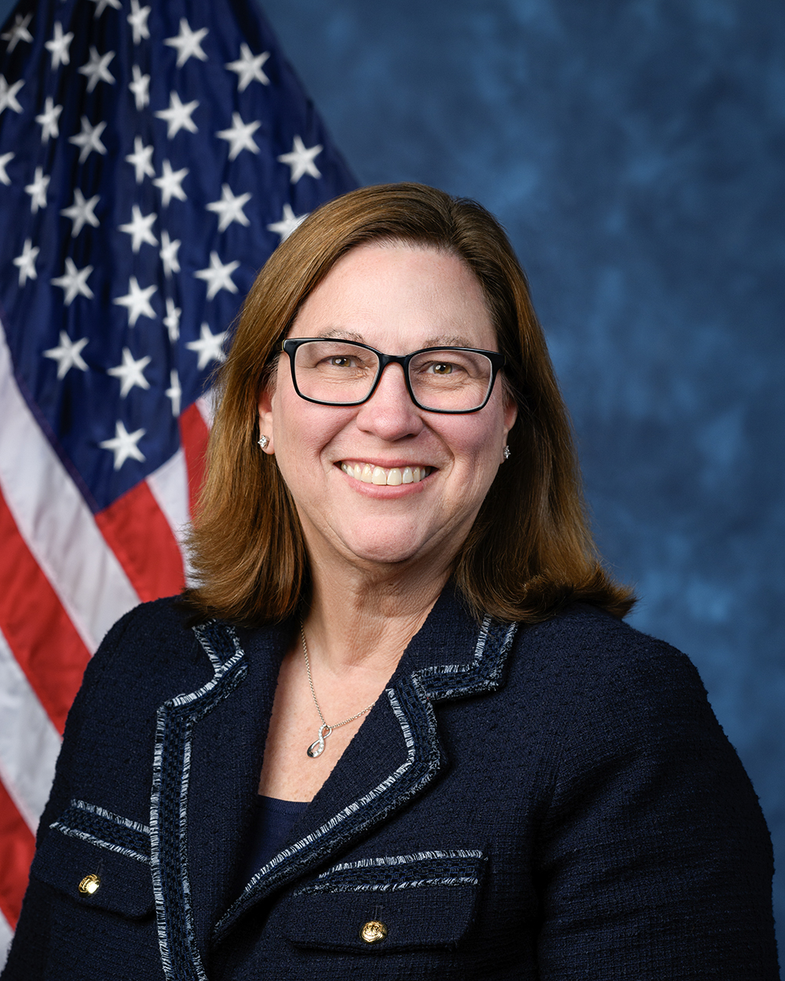
Co-Sponsor
-
TrackThomas H. Kean, Jr.
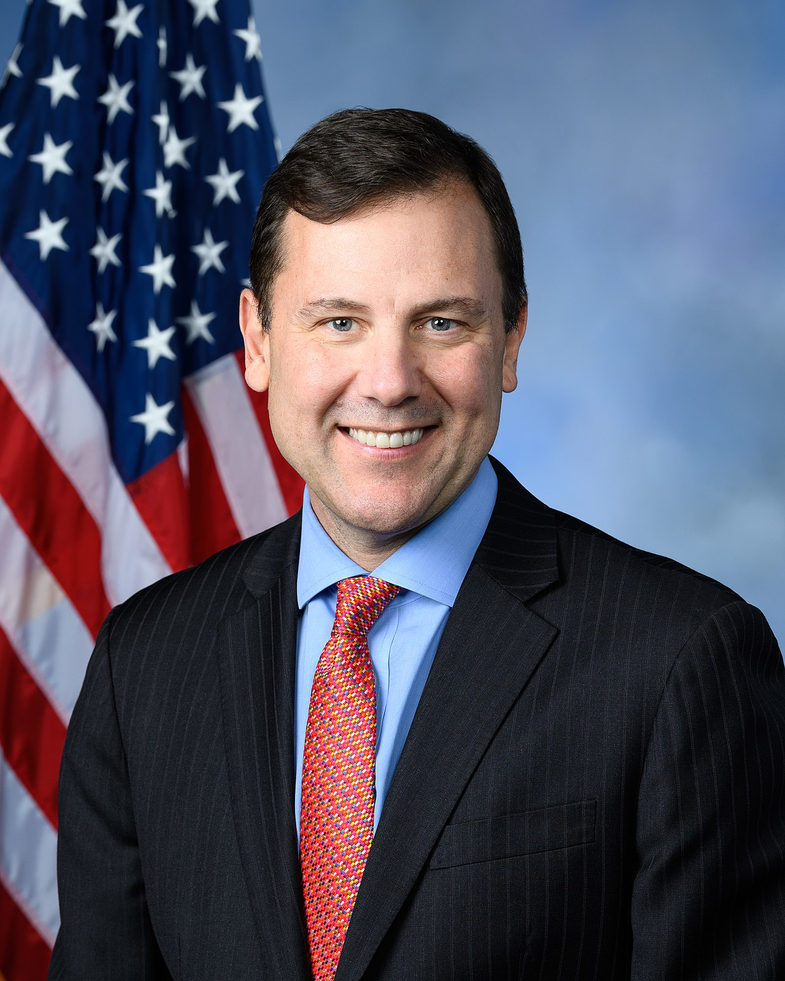
Co-Sponsor
-
TrackMike Kennedy
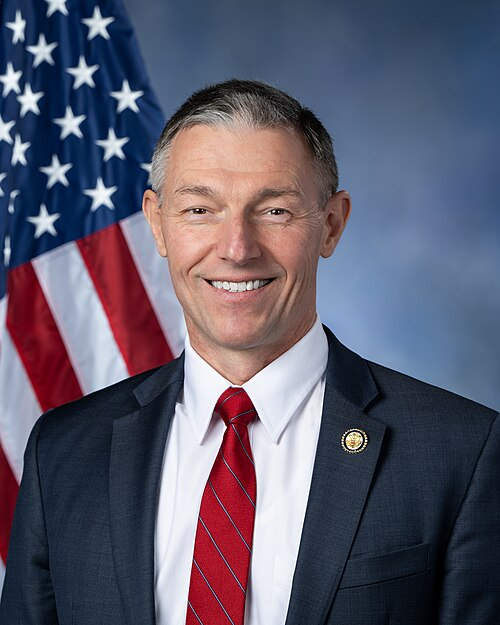
Co-Sponsor
-
TrackYoung Kim

Co-Sponsor
-
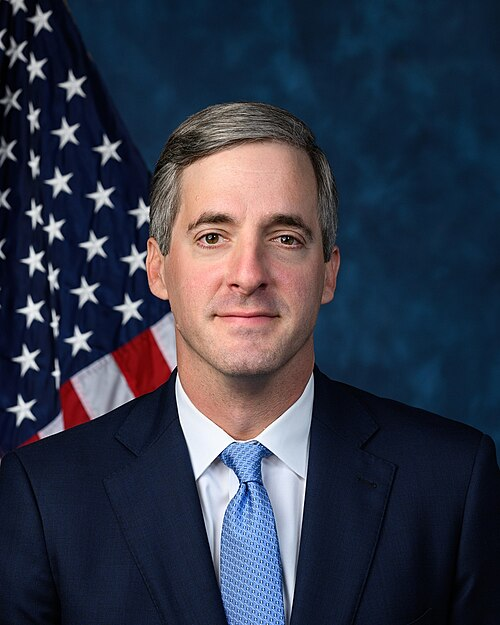
TrackBrad Knott
Co-Sponsor
-
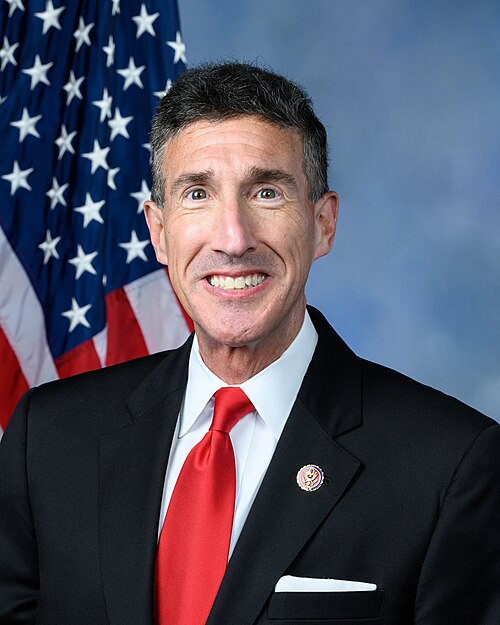
TrackDavid Kustoff
Co-Sponsor
-
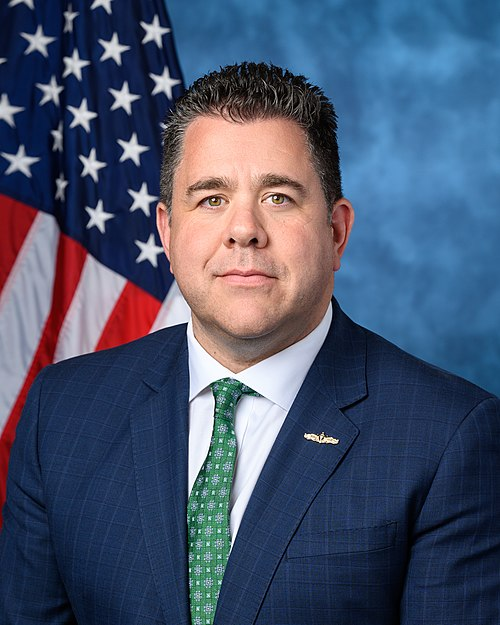
TrackNick LaLota
Co-Sponsor
-
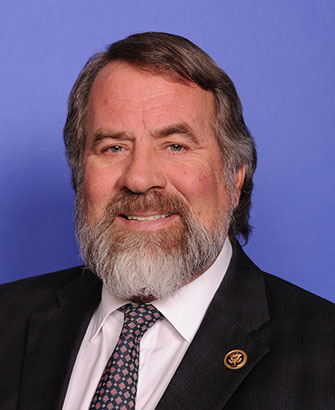
TrackDoug LaMalfa
Co-Sponsor
-
TrackNicholas A. Langworthy
Co-Sponsor
-
TrackJohn B. Larson
Co-Sponsor
-
TrackLaurel M. Lee
Co-Sponsor
-
TrackRyan Mackenzie
Co-Sponsor
-
TrackNicole Malliotakis
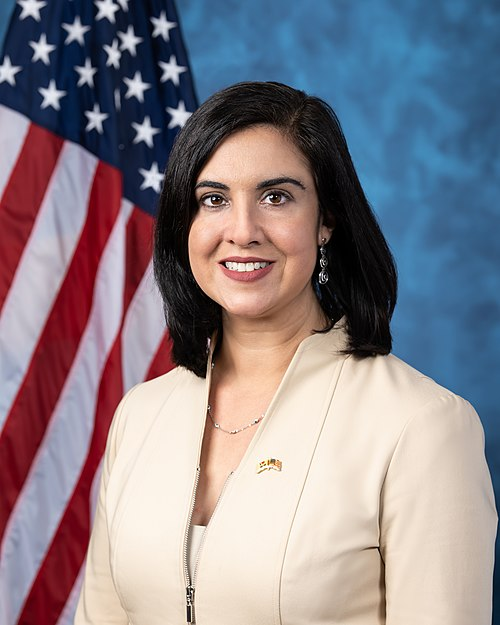
Co-Sponsor
-
TrackCeleste Maloy
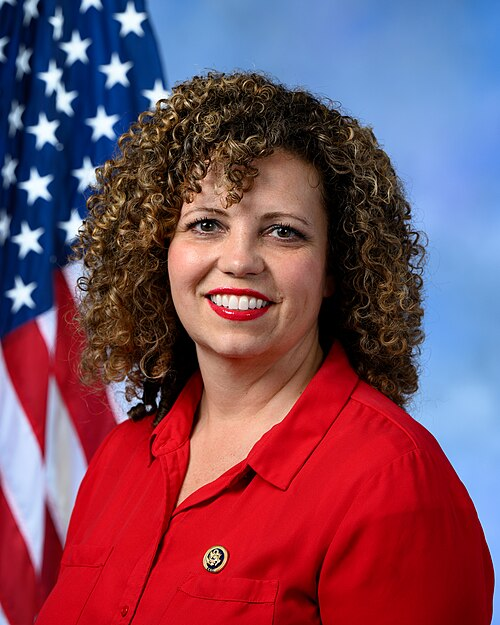
Co-Sponsor
-
TrackTracey Mann
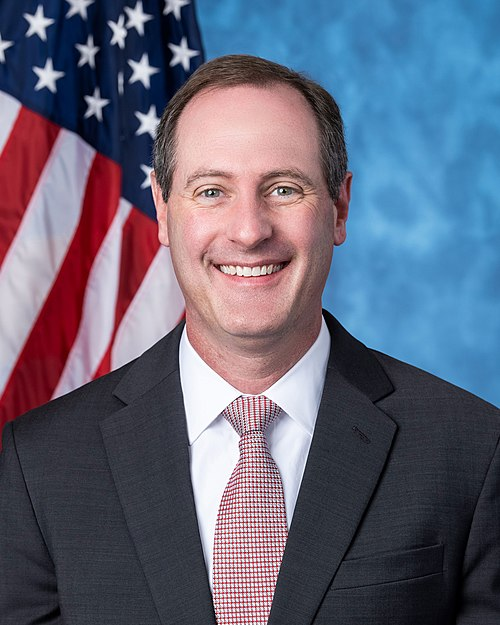
Co-Sponsor
-
TrackAddison McDowell
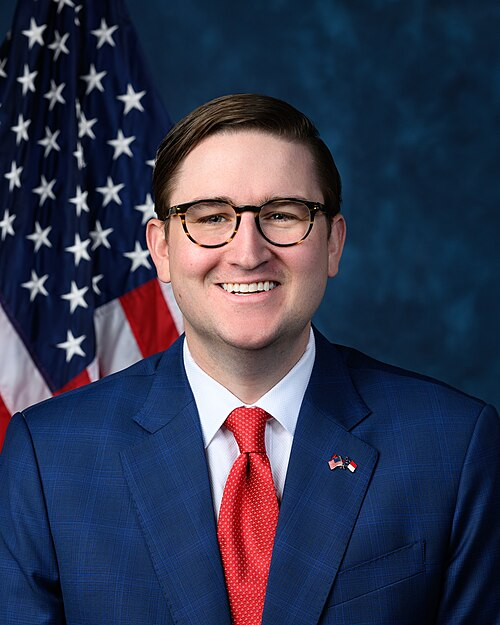
Co-Sponsor
-
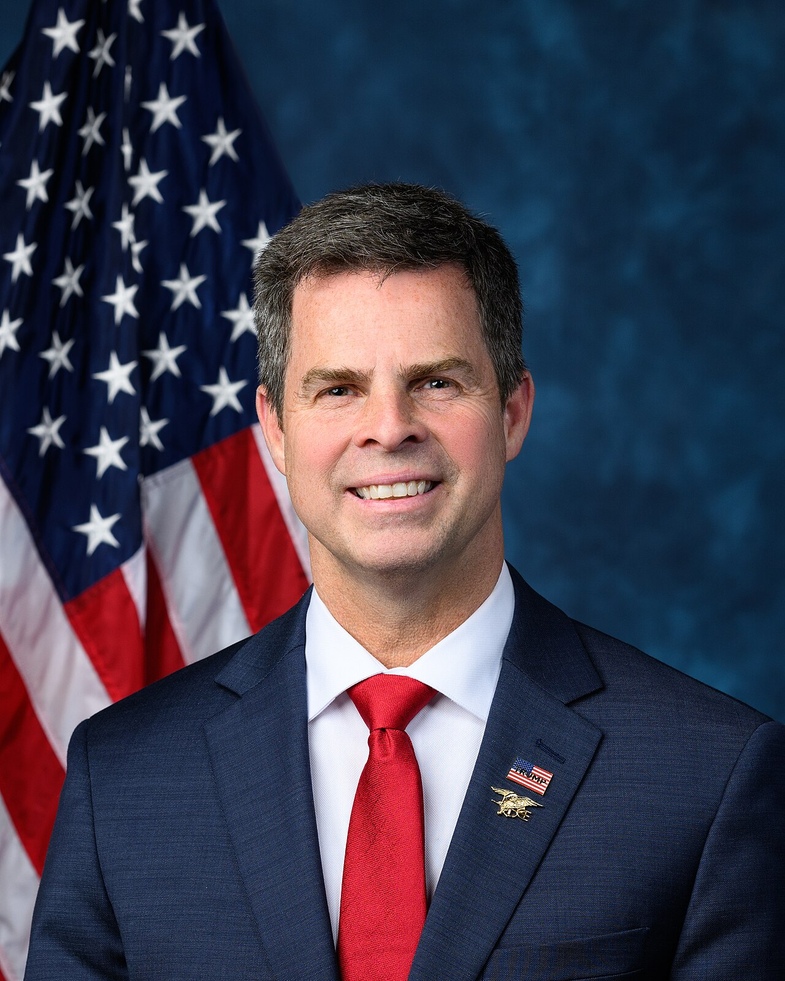
TrackJohn McGuire
Co-Sponsor
-
TrackMary E. Miller

Co-Sponsor
-
TrackMax L. Miller

Co-Sponsor
-
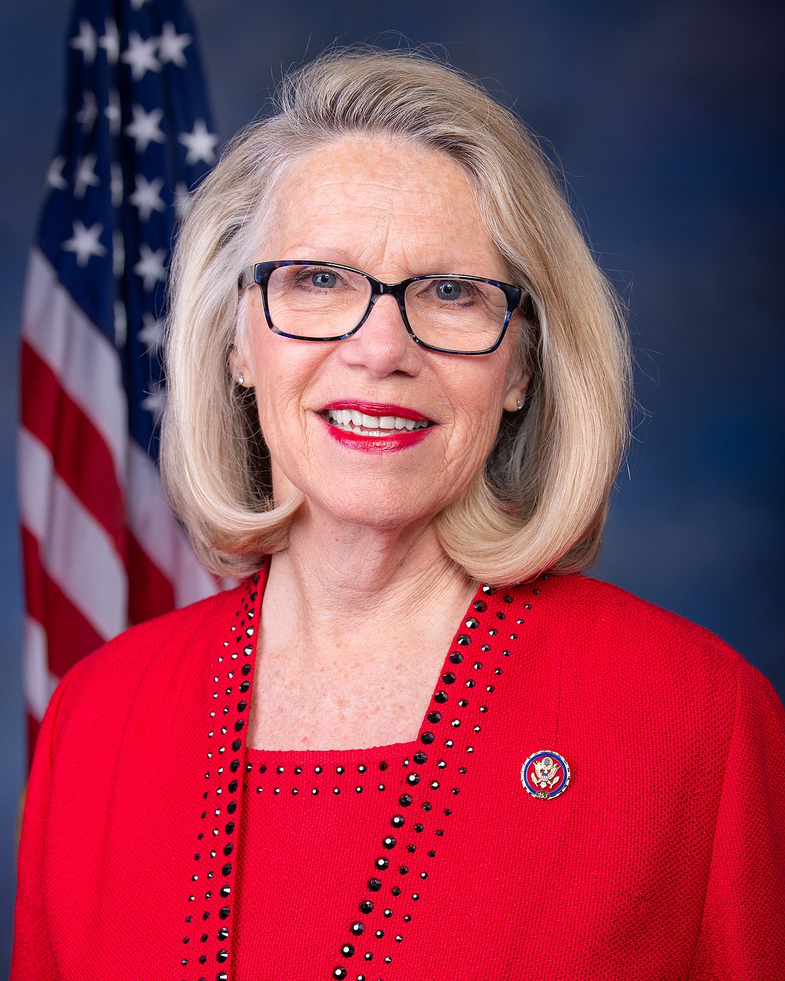
TrackCarol D. Miller
Co-Sponsor
-
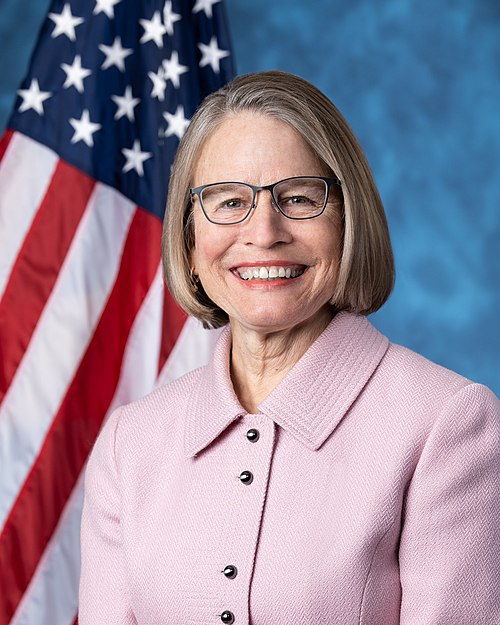
TrackMariannette Miller-Meeks
Co-Sponsor
-
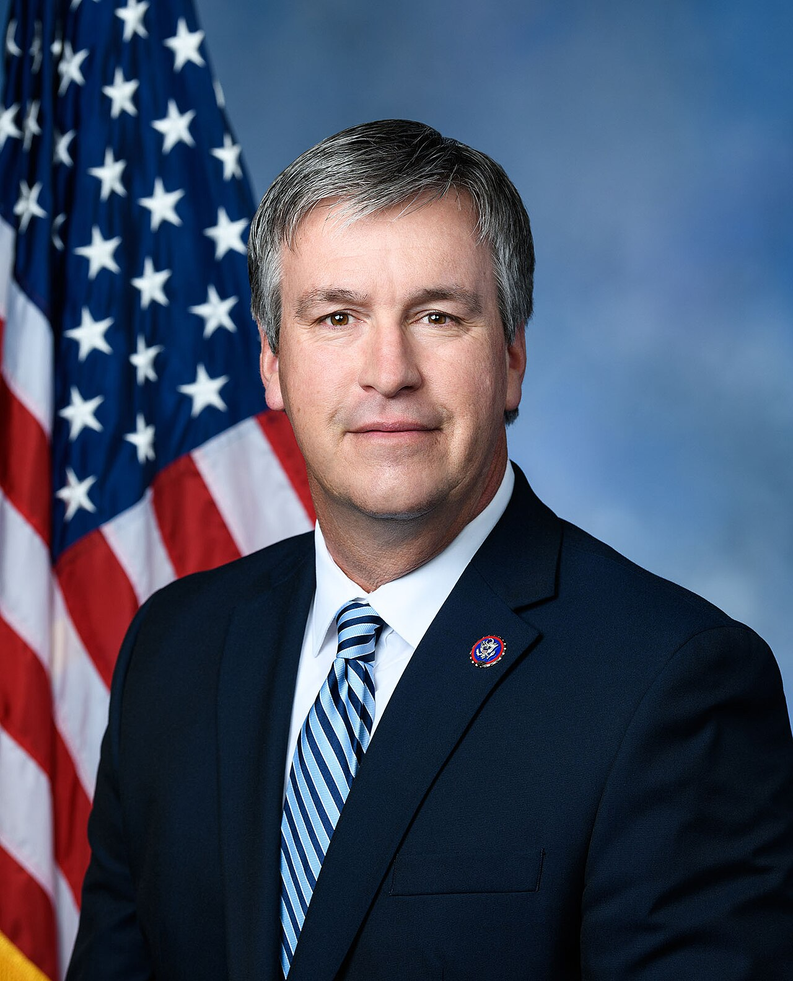
TrackBarry Moore
Co-Sponsor
-
TrackTim Moore
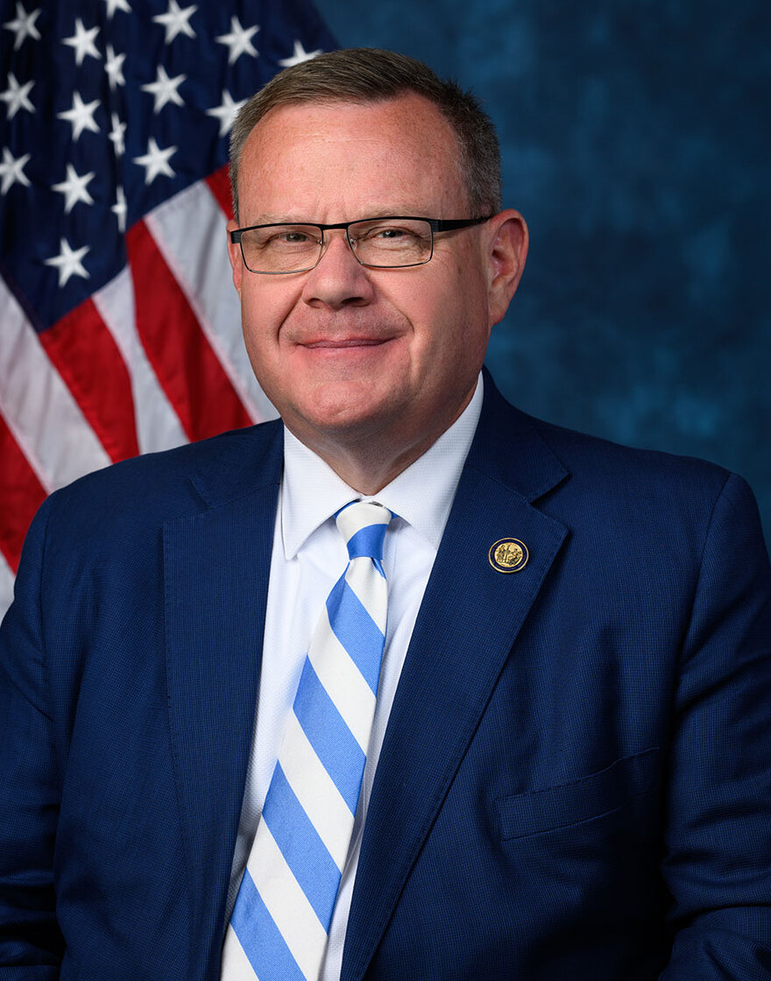
Co-Sponsor
-
TrackNathaniel Moran
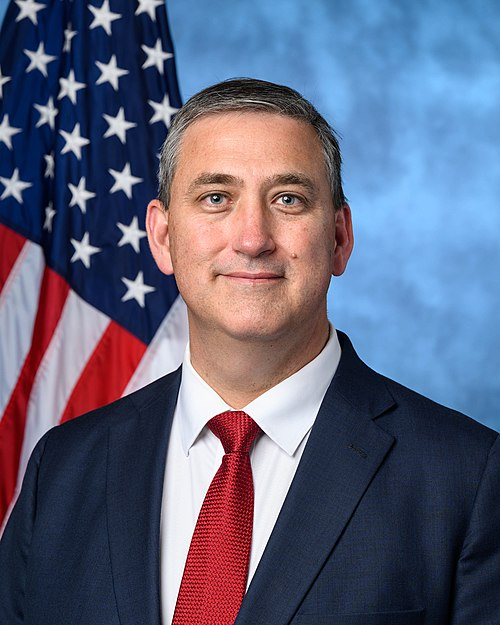
Co-Sponsor
-
TrackTroy E. Nehls
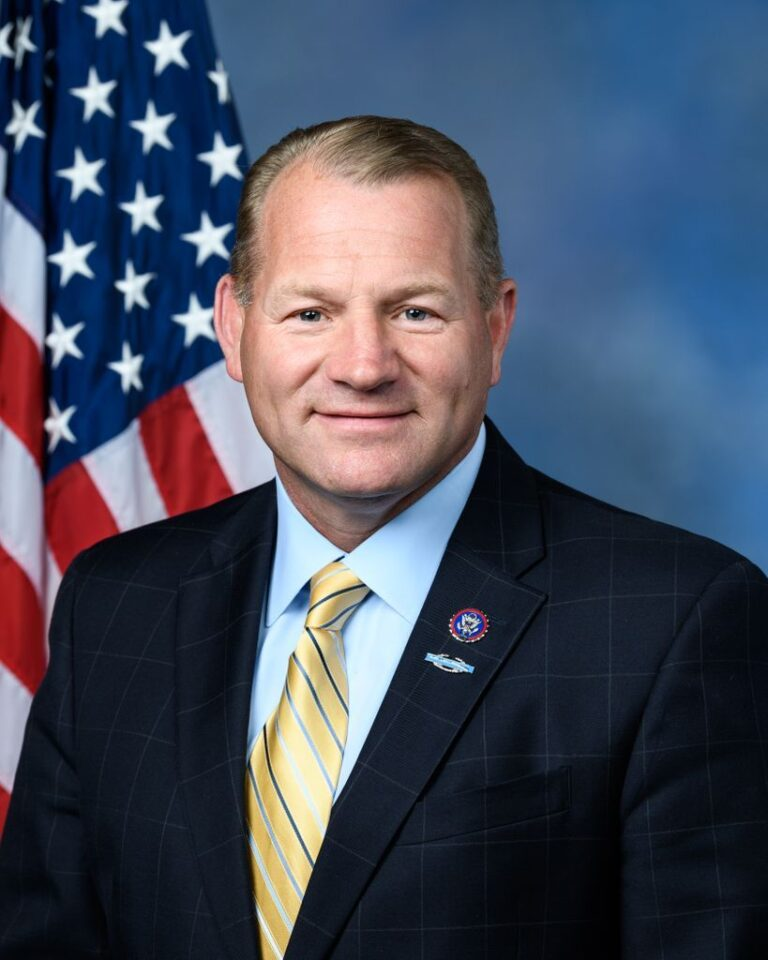
Co-Sponsor
-
TrackRobert Onder
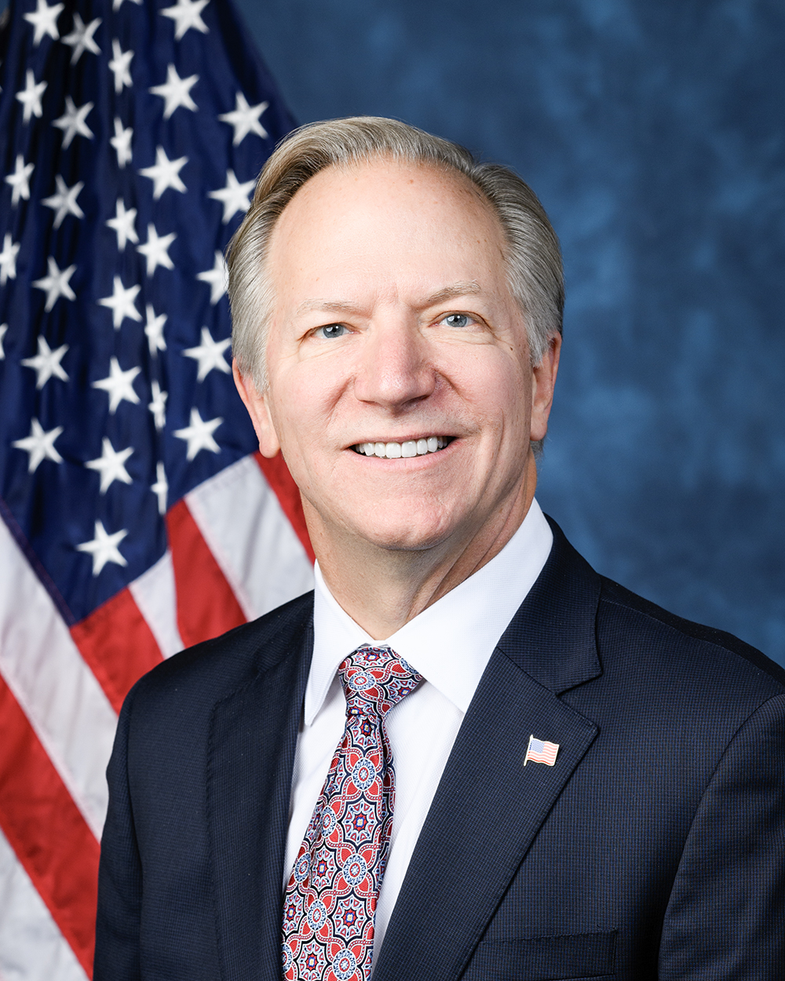
Co-Sponsor
-
TrackMarie Gluesenkamp Perez

Co-Sponsor
-
TrackJohn H. Rutherford
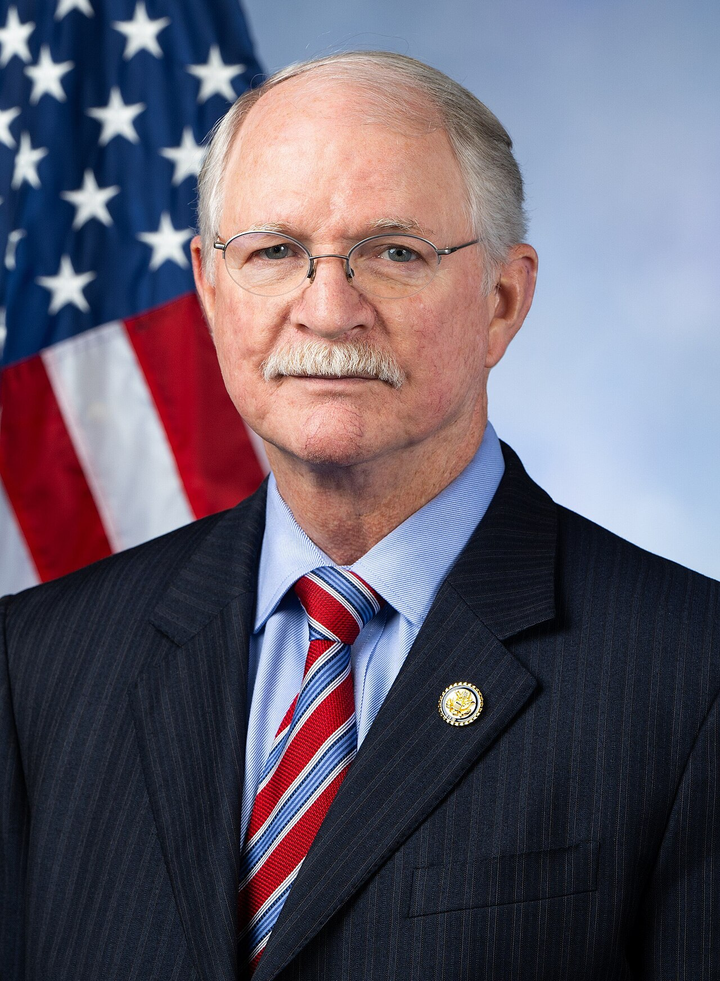
Co-Sponsor
-
TrackDerek Schmidt
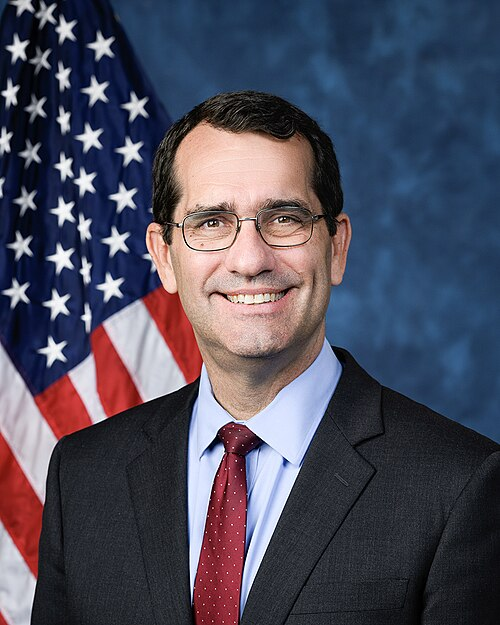
Co-Sponsor
-
TrackHillary J. Scholten

Co-Sponsor
-
TrackDavid Schweikert
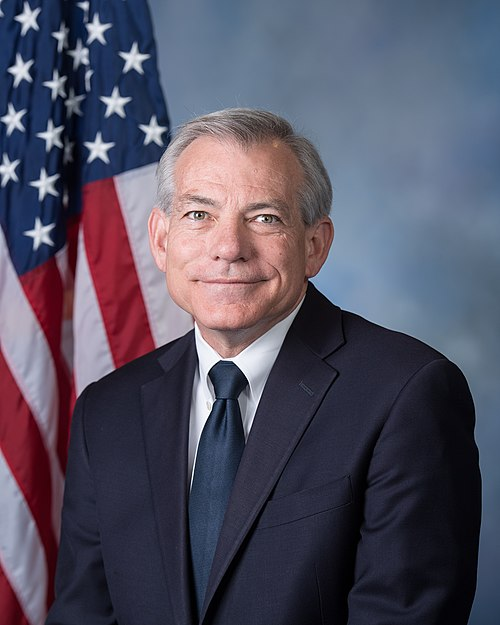
Co-Sponsor
-
TrackMichael K. Simpson

Co-Sponsor
-
TrackPete Stauber
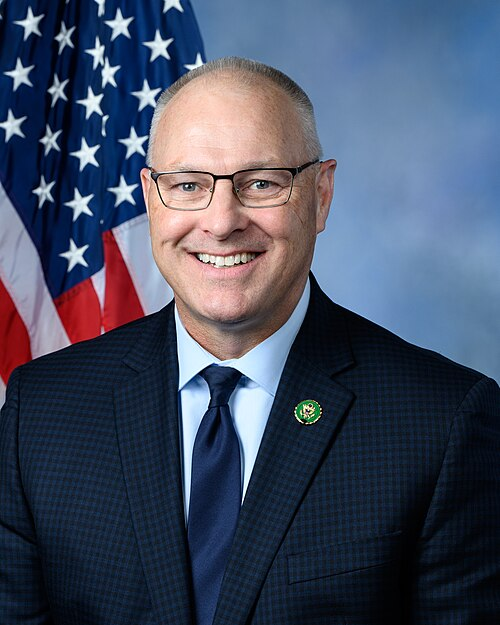
Co-Sponsor
-
TrackW. Gregory Steube

Co-Sponsor
-
TrackHaley M. Stevens
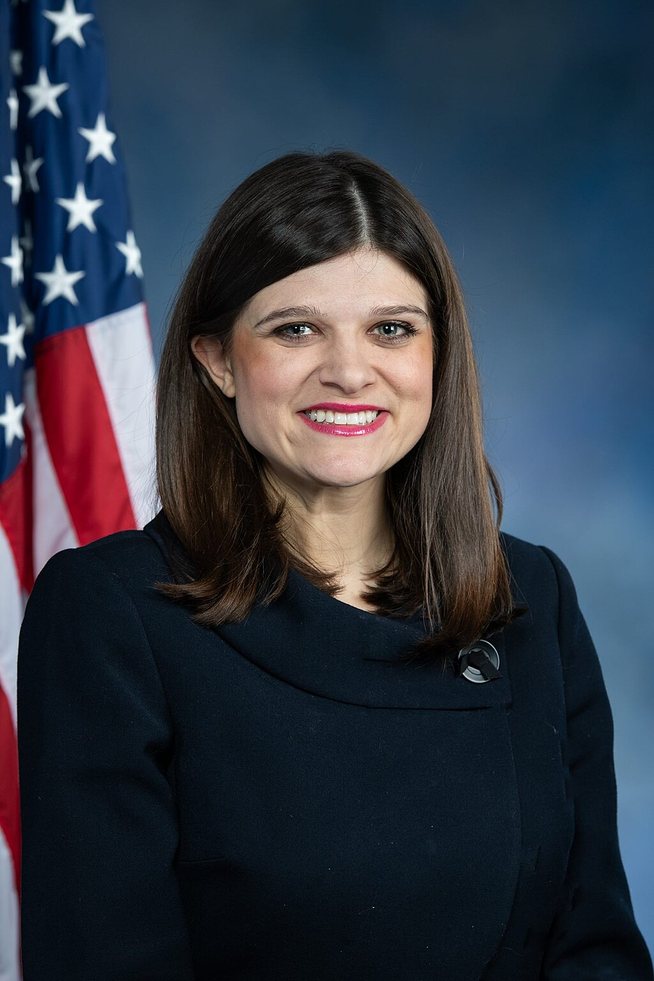
Co-Sponsor
-
TrackMarlin A. Stutzman
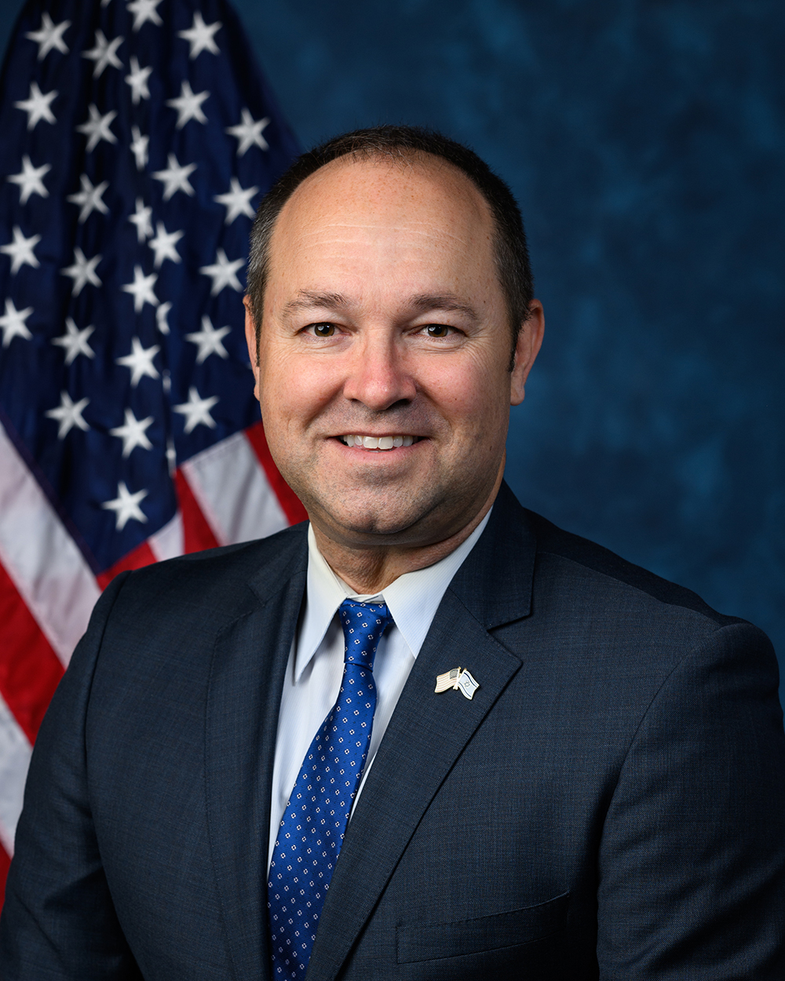
Co-Sponsor
-
TrackClaudia Tenney
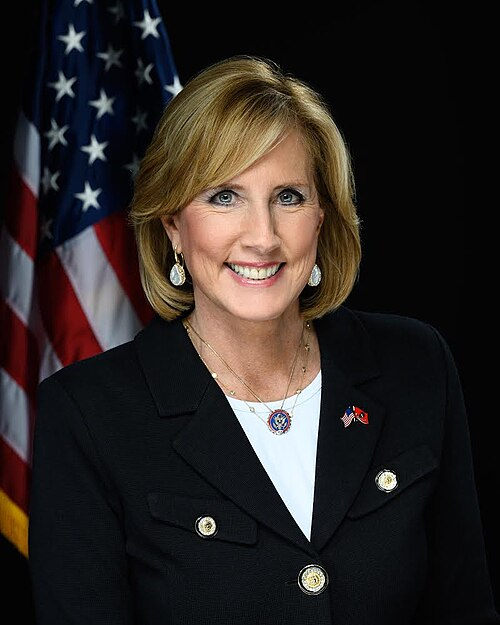
Co-Sponsor
-
TrackShri Thanedar
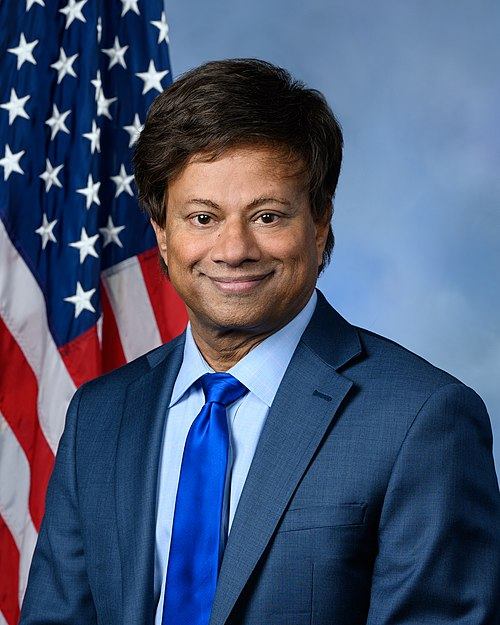
Co-Sponsor
-
TrackBennie G. Thompson
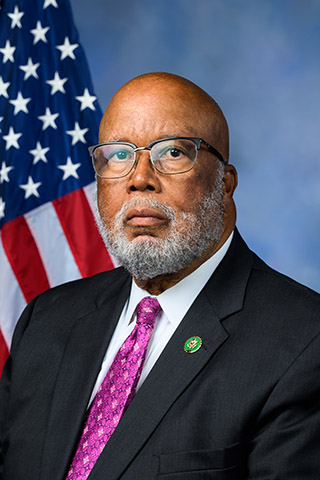
Co-Sponsor
-
TrackThomas P. Tiffany
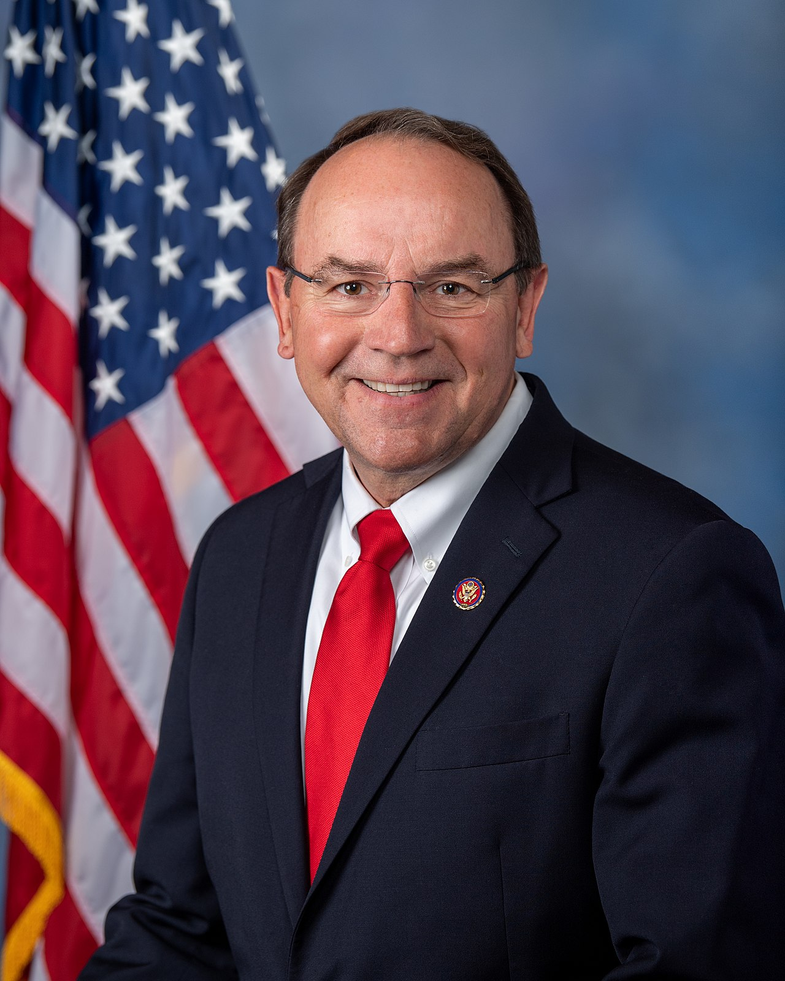
Co-Sponsor
-
TrackJefferson Van Drew
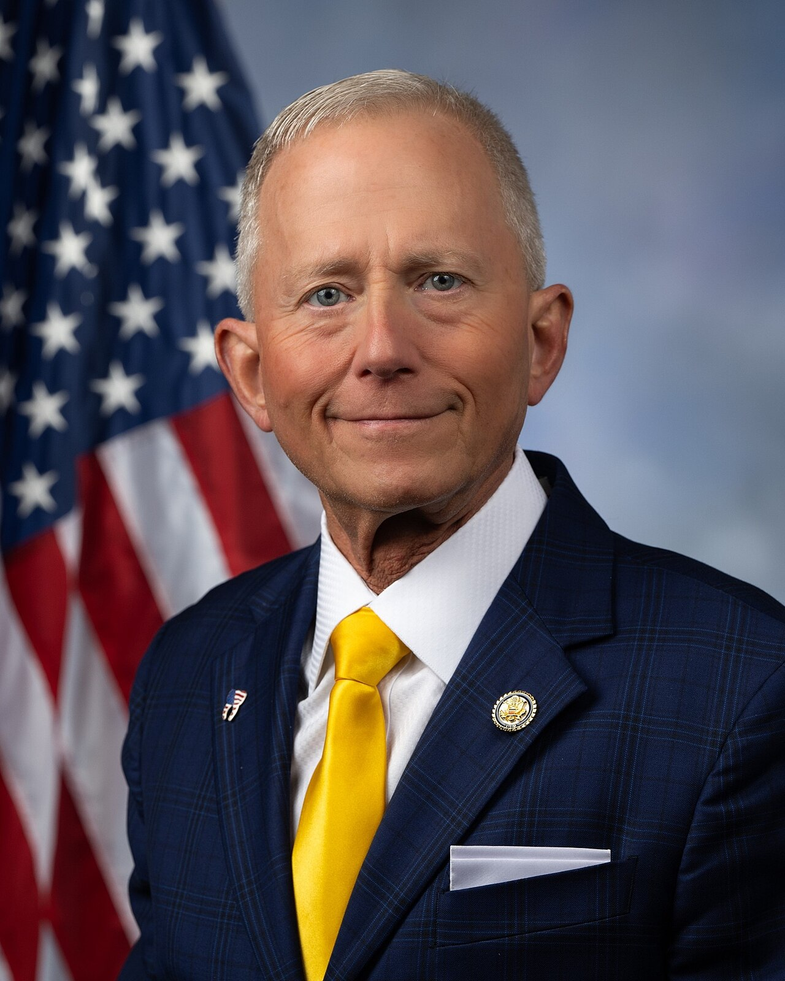
Co-Sponsor
-
TrackBeth Van Duyne
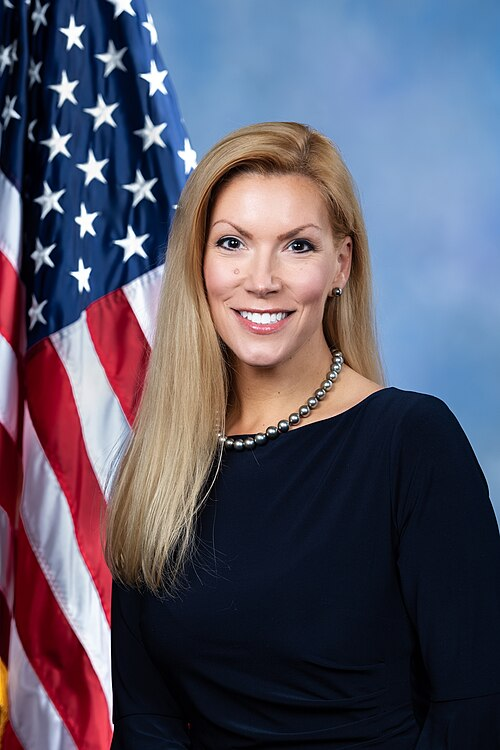
Co-Sponsor
-
TrackDerrick Van Orden
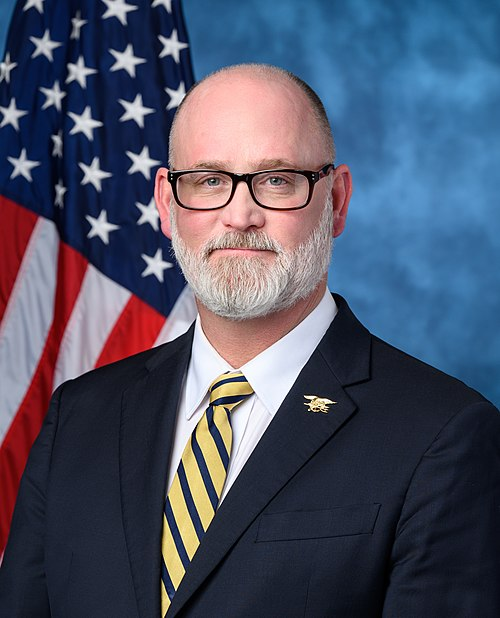
Co-Sponsor
-
TrackGabe Vasquez
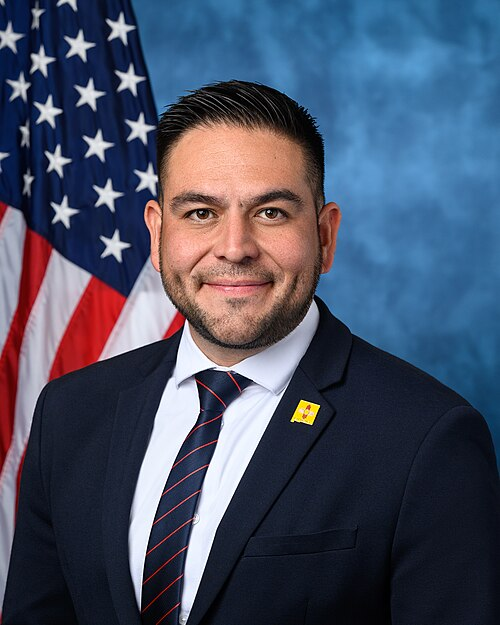
Co-Sponsor
-
TrackMarc A. Veasey
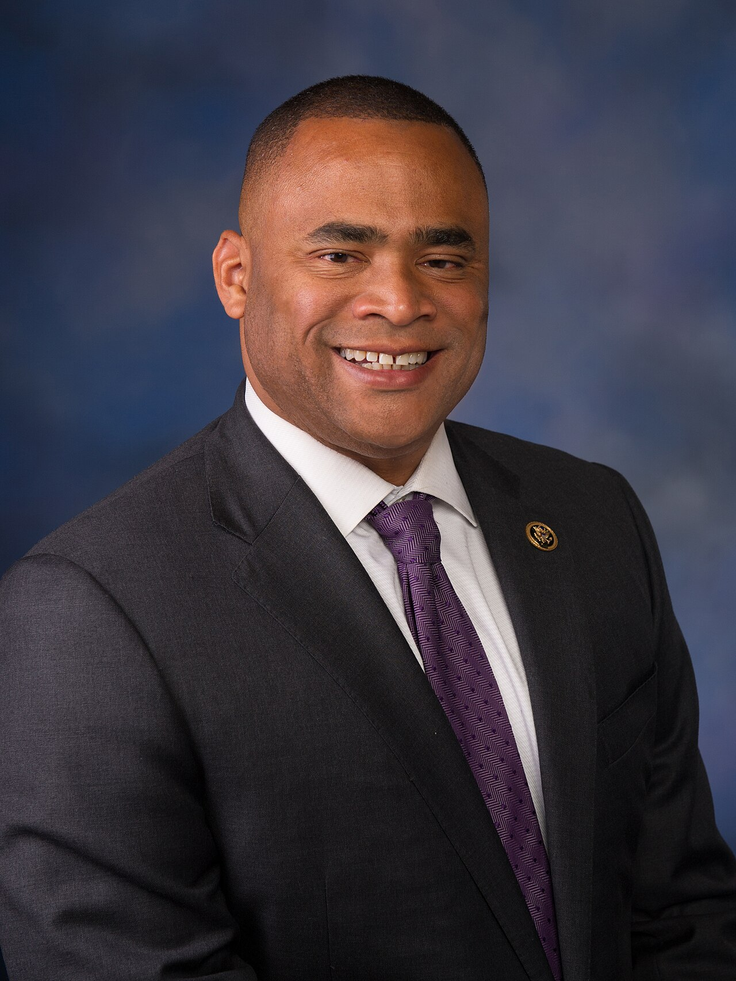
Co-Sponsor
-
TrackEugene Vindman

Co-Sponsor
-
TrackRobert J. Wittman

Co-Sponsor
-
TrackRudy Yakym III
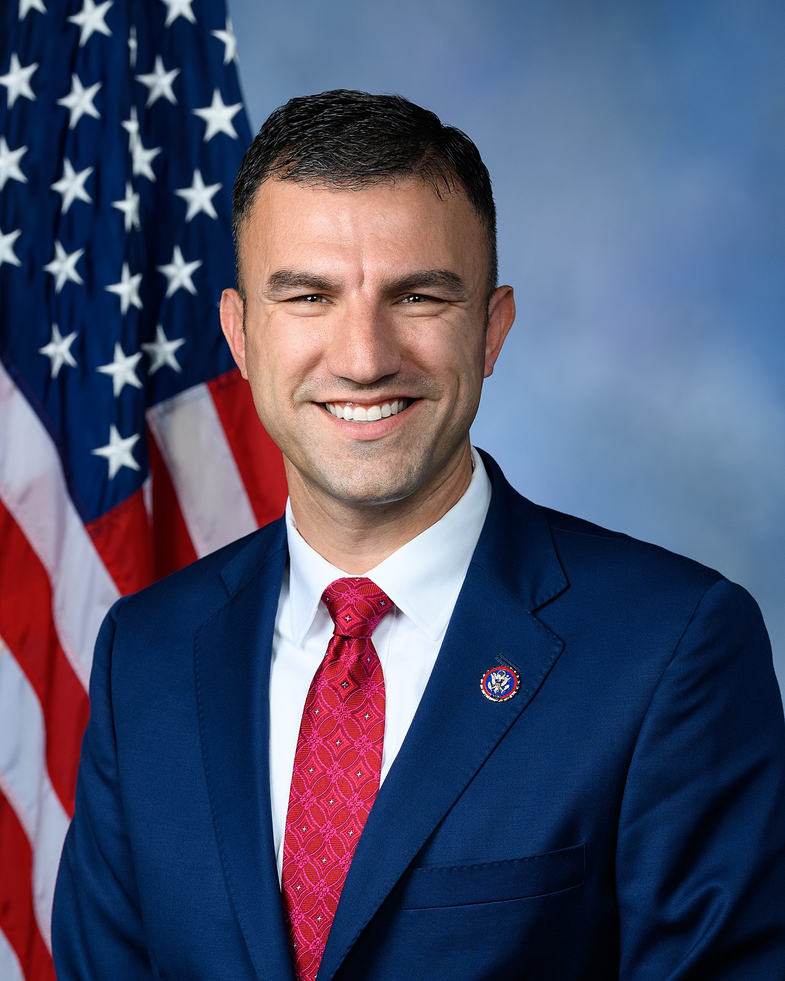
Co-Sponsor
-
TrackRyan K. Zinke
Co-Sponsor
Actions
16 actions
| Date | Action |
|---|---|
| Feb. 12, 2026 | Considered under the provisions of rule H. Res. 1057. (consideration: CR H2190-2204) |
| Feb. 12, 2026 | DEBATE - The House proceeded with one hour of debate on H.R. 2189. |
| Feb. 12, 2026 | Motion to reconsider laid on the table Agreed to without objection. |
| Feb. 12, 2026 | On passage Passed by the Yeas and Nays: 233 - 185 (Roll no. 70). (text of amendment in the nature of a substitute: CR H2190-2191) |
| Feb. 12, 2026 | Passed/agreed to in House: On passage Passed by the Yeas and Nays: 233 - 185 (Roll no. 70). |
| Feb. 12, 2026 | Rule provides for consideration of S. 1383, H.R. 2189, H.R. 261 and H.R. 3617. The resolution provides for consideration of S. 1383, H.R. 2189, H.R. 261, and H.R. 3617 under a closed rule and provides for one motion to recommit H.R. 2189, H.R. 261, and H.R. 3617, and one motion to commit S. 1383. |
| Feb. 12, 2026 | The previous question was ordered pursuant to the rule. |
| Feb. 11, 2026 | Rules Committee Resolution H. Res. 1057 Reported to House. Rule provides for consideration of S. 1383, H.R. 2189, H.R. 261 and H.R. 3617. The resolution provides for consideration of S. 1383, H.R. 2189, H.R. 261, and H.R. 3617 under a closed rule and provides for one motion to recommit H.R. 2189, H.R. 261, and H.R. 3617, and one motion to commit S. 1383. |
| Feb. 09, 2026 | Rules Committee Resolution H. Res. 1042 Reported to House. Rule provides for consideration of H.R. 2189, H.R. 261 and H.R. 3617. The resolution provides for consideration of H.R. 2189, H.R. 261, and H.R. 3617 under a closed rule and provides for one hour of debate and one motion to recommit on each bill. |
| Jan. 30, 2026 | Placed on the Union Calendar, Calendar No. 403. |
| Jan. 30, 2026 | Reported (Amended) by the Committee on Judiciary. H. Rept. 119-472. |
| Nov. 20, 2025 | Committee Consideration and Mark-up Session Held |
| Nov. 20, 2025 | Ordered to be Reported (Amended) by the Yeas and Nays: 18 - 8. |
| Nov. 18, 2025 | Committee Consideration and Mark-up Session Held |
| Mar. 18, 2025 | Introduced in House |
| Mar. 18, 2025 | Referred to the House Committee on the Judiciary. |
Corporate Lobbying
0 companies lobbying
None found.
* Note that there can be significant delays in lobbying disclosures, and our data may be incomplete.
Potentially Relevant Congressional Stock Trades
No relevant congressional stock trades found.